
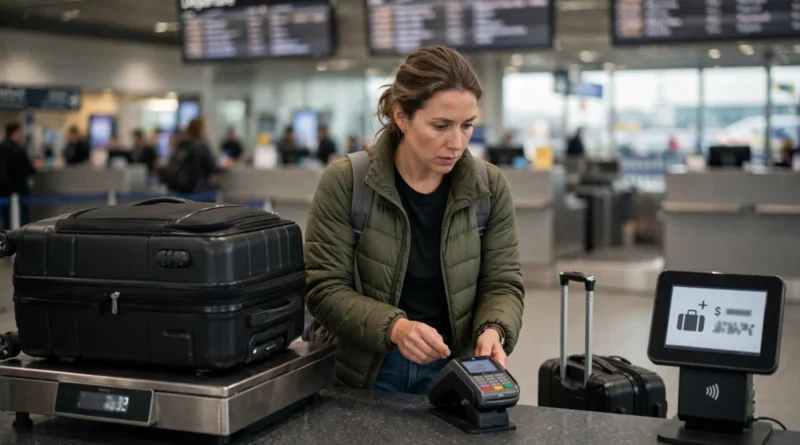
Airline Baggage Fees: How Packing Choices Change the Real Fare
Table of Contents
01 Event
Airlines increasingly sell fares with different baggage allowances. A low headline fare may include only a personal item, while carry-on or checked bags cost extra depending on the airline and fare class.
02 What Changed?
The real fare now depends partly on how you travel. Two passengers buying the same ticket can end up paying different totals because one travels light while the other checks luggage.
03 Why It Matters
Baggage charges can erase the apparent saving between competing fares. Fees can also vary by route, booking channel, payment timing, bag count, weight and dimensions.
04 What It Means for You
Before comparing airlines, decide what baggage you realistically need. Add those charges to both the outbound and return journey. Check the airline’s current rules directly because baggage policies and prices change. If a higher fare includes the bag you need, compare that bundled total with buying the cheaper fare plus baggage separately.
05 Numbers + Context
If Airline A is $40 cheaper each way but the baggage you need costs $35 each way, the apparent $80 round-trip airfare saving falls to $10. Additional weight or oversized-bag charges can change the calculation further.
Reference: U.S. Department of Transportation — Airline Baggage Fees.
06 Earnyx Takeaway
Airfare comparisons should start with the trip you will actually take. Add the bags, seats and other essentials you genuinely need before deciding which ticket is cheaper.