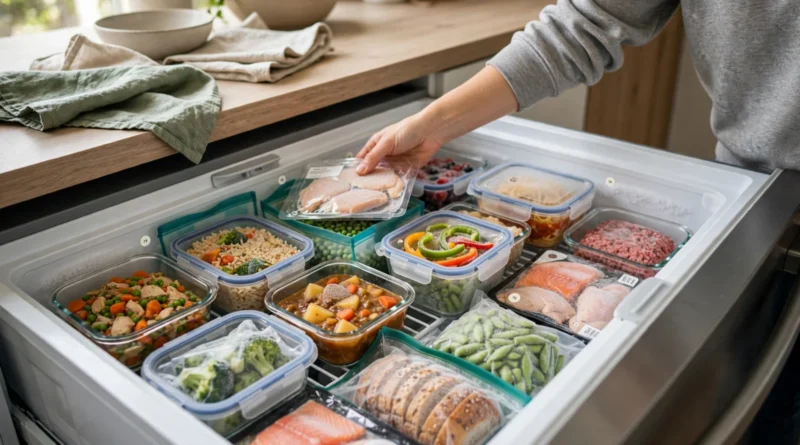
Using Your Freezer to Save on Groceries: What Actually Works
A freezer can extend the useful life of food, reduce waste, and let you buy strategically—but only if frozen food stays visible and gets used.
Read More
Understand household spending, recurring bills, groceries and everyday expenses to see where your money really goes.
A freezer can extend the useful life of food, reduce waste, and let you buy strategically—but only if frozen food stays visible and gets used.
Read More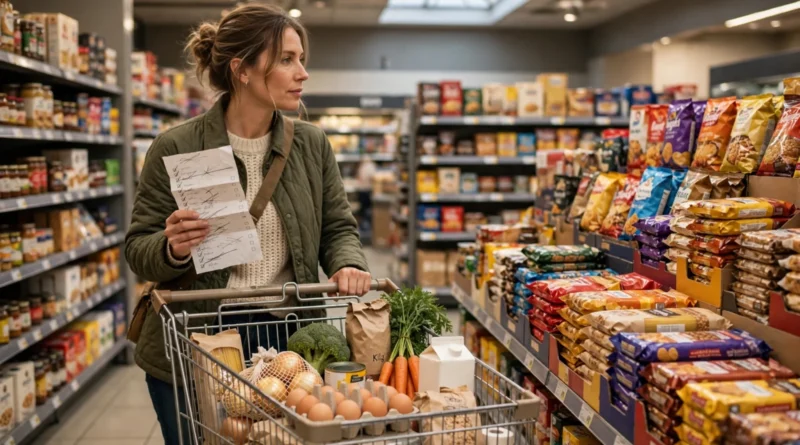
A grocery list does more than organize a trip. It can reduce duplicate purchases, forgotten ingredients, and impulse spending.
Read More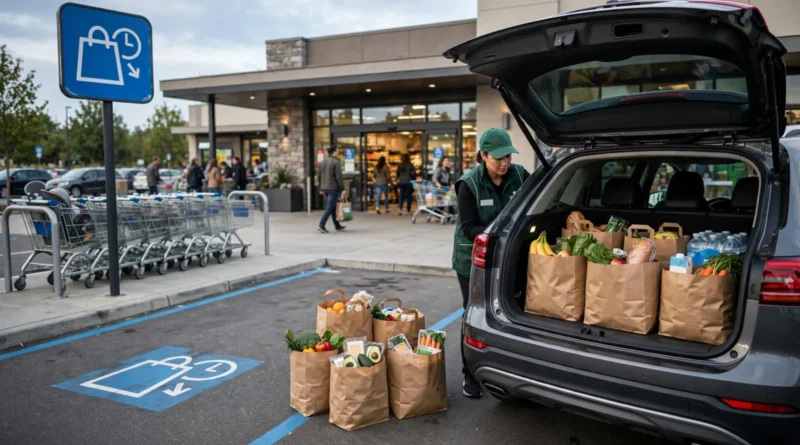
Curbside pickup can reduce impulse buying and save time, but service fees, minimum orders, substitutions, and higher item prices can change the math.
Read More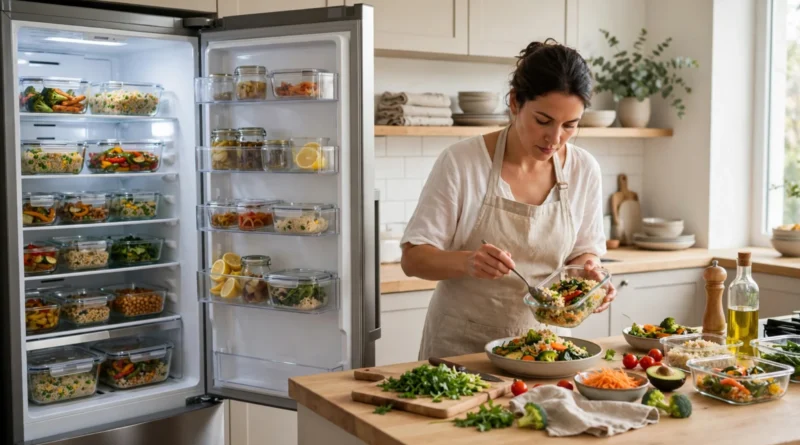
Leftovers save money only when they are stored, labeled, and actually eaten. A simple system can reduce food waste and repeat spending.
Read More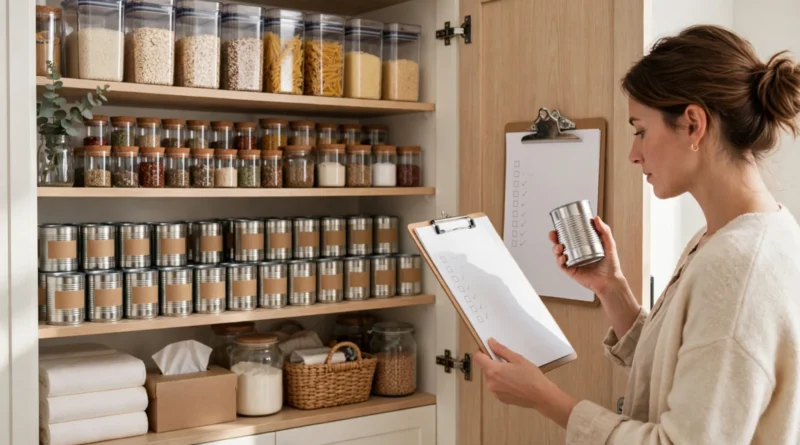
A pantry inventory can reduce duplicate purchases, forgotten food, and unnecessary store trips by making household stock visible before you shop.
Read More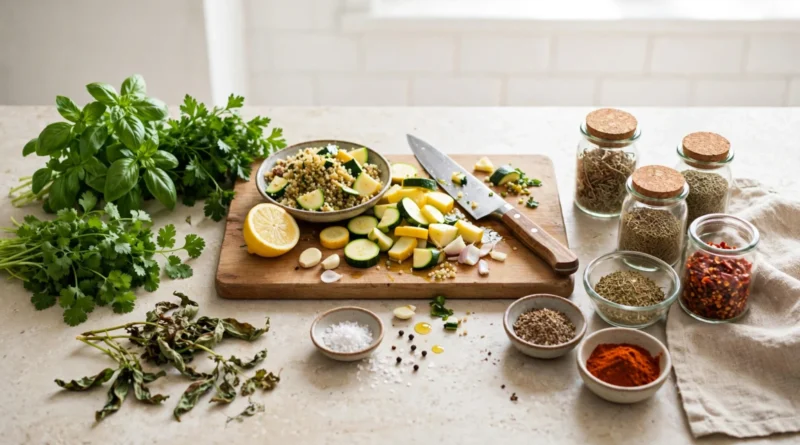
Fresh herbs can deliver brighter flavor, while dried herbs offer longer shelf life. The better value depends on how much you use before anything gets wasted.
Read More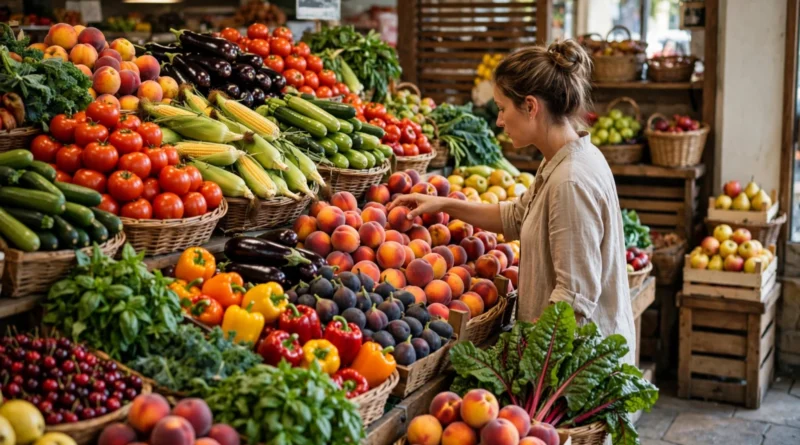
Seasonal produce can offer better value, but lower prices are not guaranteed. The smart comparison is price, quality, shelf life, and how much you will actually use.
Read More
Checkout displays, endcaps, and limited-time promotions can turn a planned grocery trip into a much larger bill.
Read More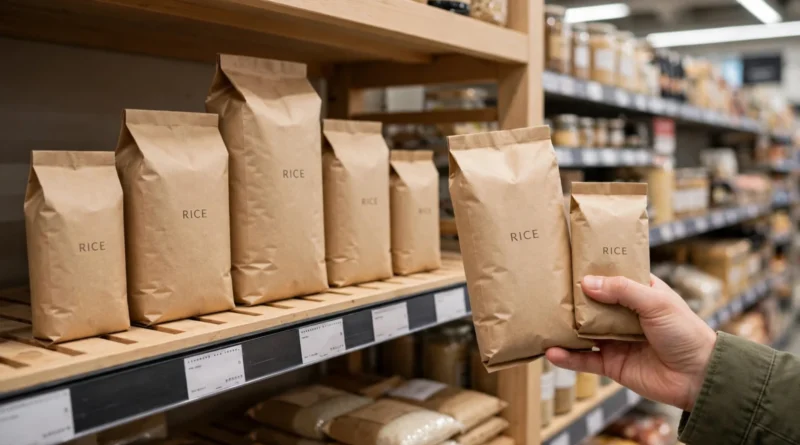
Shelf price alone can be misleading. Unit pricing helps compare different package sizes and brands on a common basis.
Read More
A grocery budget works better when it is built around real eating patterns, recurring staples, and a weekly spending ceiling—not a vague monthly target.
Read More