
Does a Larger Appliance Always Cost More to Run?
Appliance size can affect energy use, but it does not determine operating cost by itself. Efficiency, technology, settings, workload, usage time and local energy prices all matter.
Read More
Explore everyday myths about money, technology, cars, appliances and consumer choices through practical Earnyx reality checks.
Appliance size can affect energy use, but it does not determine operating cost by itself. Efficiency, technology, settings, workload, usage time and local energy prices all matter.
Read More
LED lifetime ratings describe tested or predicted performance under specified conditions, not a guarantee that every bulb will survive that many hours in every fixture.
Read More
Smart thermostats can reduce heating and cooling use, but payback is not guaranteed. Purchase price, rebates, climate, HVAC type, occupancy and existing thermostat habits determine the economics.
Read More
Bluetooth uses power, but simply leaving it enabled is not the same as continuously streaming data. Modern phones manage idle Bluetooth efficiently, so actual battery impact depends on what connected devices are doing.
Read More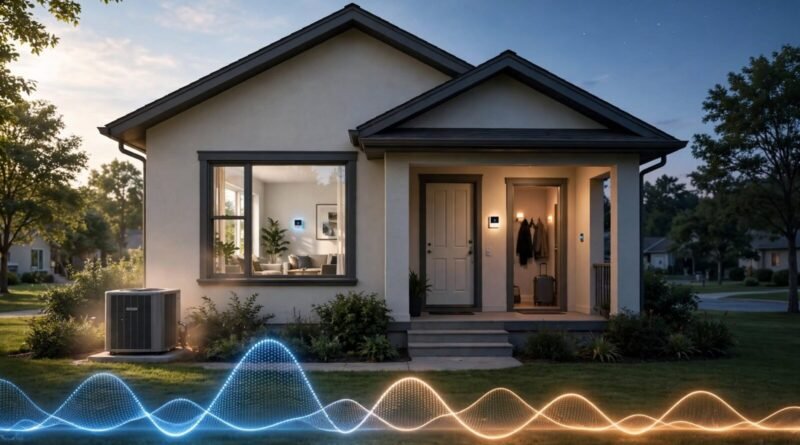
Leaving air conditioning at the same cool setting all day is not generally an energy-saving strategy. Reducing cooling when a home is unoccupied lowers the temperature difference driving heat into the building.
Read More
For many conventional air conditioners, setting a much lower thermostat target does not make the system cool faster. It mainly tells the equipment to keep running until a lower temperature is reached.
Read More
A fuller refrigerator does not automatically use more electricity. Door openings, temperature settings, room conditions, airflow, appliance efficiency and how much warm food is added matter more.
Read More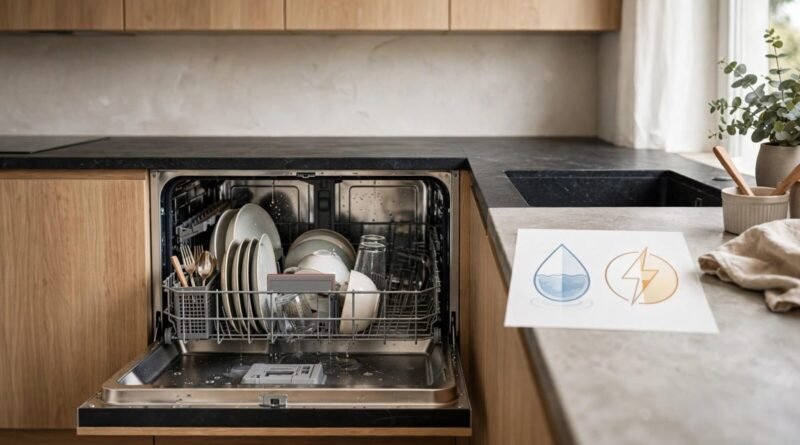
Running a dishwasher half full does not normally save water per dish. Modern dishwashers use a programmed amount per cycle, so fuller properly loaded cycles usually use resources more efficiently.
Read More
Public Wi-Fi is not automatically a data-theft trap, especially as HTTPS has become widespread, but untrusted networks still require sensible precautions around connections, updates and sensitive activity.
Read More
Password length is important, but a long predictable password is not automatically better than a strong passphrase. Security depends on length, unpredictability, uniqueness and whether the secret has been compromised.
Read More