Crawlspace Encapsulation: When Does the Cost Make Sense?
Crawlspace encapsulation can improve moisture control, reduce ground vapor entry, protect insulation and framing, and make some homes more comfortable. But the term can describe very different scopes—from laying a basic vapor barrier to sealing vents, insulating walls, adding drainage, installing a dehumidifier, and correcting bulk-water problems.
The financial question is therefore not whether encapsulation is “worth it” in general. It is whether the proposed system solves a documented moisture or building-envelope problem in your crawlspace.
Table of Contents
Start with the moisture source
Ground vapor is only one source of crawlspace moisture. Roof runoff, poor grading, plumbing leaks, groundwater, foundation seepage, humid outdoor air, and missing drainage can all contribute.
Encapsulation should not be used to hide active bulk-water problems.
EPA emphasizes moisture control
The EPA’s moisture-control guidance explains that controlling water and humidity is central to preventing mold and building damage.
That principle applies directly to crawlspaces: identify liquid water, vapor, and air pathways before choosing materials.
A ground vapor barrier is not the same as full encapsulation
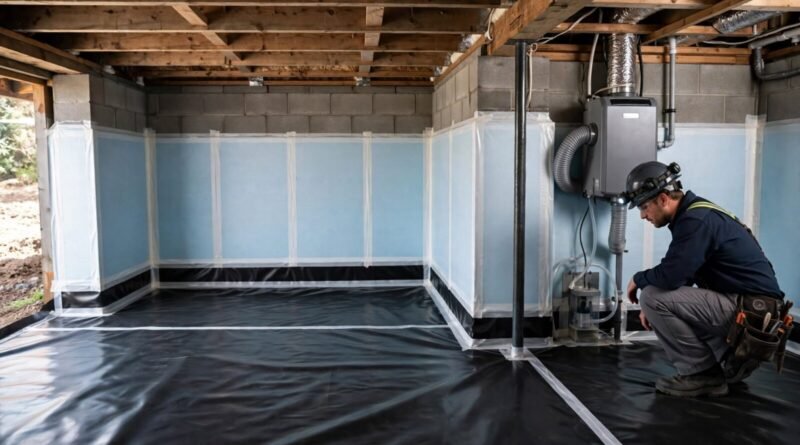
A basic vapor barrier may cover soil while leaving vents and wall surfaces untreated. A full encapsulation may seal the ground membrane to walls and piers, close exterior vents where appropriate, insulate selected assemblies, manage drainage, and control humidity.
Compare the exact scope rather than the marketing label.
Bulk water needs drainage first
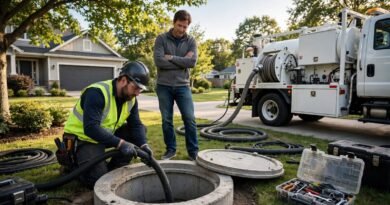
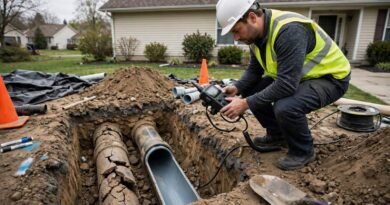
If standing water appears after rain, the project may need gutters, grading, perimeter drainage, sump equipment, or other water-management work before encapsulation.
Sealing plastic over a persistently wet crawlspace does not eliminate the underlying water source.
Vent strategy depends on climate and design
Traditional vented crawlspaces and sealed crawlspaces manage moisture differently. The correct approach depends on climate, code, HVAC configuration, insulation location, combustion appliances, and existing conditions.
Do not simply seal all vents without understanding how the space will be dried and ventilated afterward.
Dehumidifiers create recurring costs
A dedicated crawlspace dehumidifier can help maintain humidity, but it adds electricity use, condensate drainage, filter cleaning, and eventual equipment replacement.
Include those costs in the ownership calculation.
A hypothetical quote comparison
Suppose Contractor A quotes $3,500 for a ground liner and vent covers. Contractor B quotes $8,000 and includes drainage correction, sealed wall connections, pier detailing, a dehumidifier, electrical work, and humidity monitoring.
The two quotes are not comparable until you know which problems the crawlspace actually has.
These figures are illustrative.
Insulation location matters
In some sealed crawlspace designs, insulation may be moved from the floor above to the crawlspace walls. In others, existing floor insulation may remain.
The correct assembly depends on climate, code, moisture, and system design.
Wood moisture can help guide the decision
Persistent high wood moisture can increase the risk of fungal growth and deterioration. A contractor or inspector should document conditions rather than relying only on visual impressions.
Measurements can help verify whether the project improved the crawlspace after completion.
Mold remediation and encapsulation are separate tasks
If mold is present, the contaminated materials may need appropriate cleaning or removal, and the moisture source must be corrected.
Encapsulation alone does not erase existing contamination.
Pests can complicate the scope
Rodents, termites, and other pests can damage insulation and membranes. In termite-prone areas, local inspection and treatment requirements may affect how wall liners are installed.
Coordinate pest management and encapsulation rather than making future inspections impossible.
Combustion appliances require caution
If fuel-burning equipment is located in or connected to the crawlspace, sealing the space can affect combustion air and pressure relationships.
Qualified HVAC or building professionals should address combustion safety before major air-sealing changes.
Radon can be relevant
In areas with radon risk, a sealed ground membrane can sometimes be integrated with radon mitigation, but the design should follow radon guidance and local requirements.
Do not assume encapsulation alone is a complete radon system.
Energy savings should not be exaggerated
A sealed and insulated crawlspace can reduce air leakage and improve floor comfort, but the energy effect varies by climate, HVAC location, existing insulation, leakage, and humidity control.
Use actual utility data or energy modeling rather than a universal percentage claim.
Internal Earnyx context
Earnyx’s insulation versus new windows analysis reinforces the broader principle: target the part of the building envelope that is actually creating the loss.
Normalize encapsulation bids
Compare:
- water-source diagnosis;
- drainage;
- membrane thickness and coverage;
- wall and pier sealing;
- vent treatment;
- insulation;
- dehumidification;
- electrical work;
- mold cleanup;
- pest provisions;
- monitoring;
- and warranty.
Bottom line
Crawlspace encapsulation makes the most sense when the space has a documented moisture or air-leakage problem and the proposal solves the complete water-and-humidity pathway.
Fix bulk water first, define how the sealed space will dry, account for insulation and combustion safety, and include dehumidifier operating costs. The right project is a moisture-control system, not simply plastic on the ground.