
Car Loan Term Length: Why a Lower Payment Can Cost More
Longer auto loans can make expensive cars look affordable. Compare monthly payment, total interest and negative-equity risk before choosing a term.
Read More
Explore the real cost of car ownership, including financing, maintenance, insurance, depreciation, fuel and everyday driving expenses.
Longer auto loans can make expensive cars look affordable. Compare monthly payment, total interest and negative-equity risk before choosing a term.
Read More
A few percentage points on an auto loan can change the total cost by thousands. Learn what affects rates and how to compare offers properly.
Read More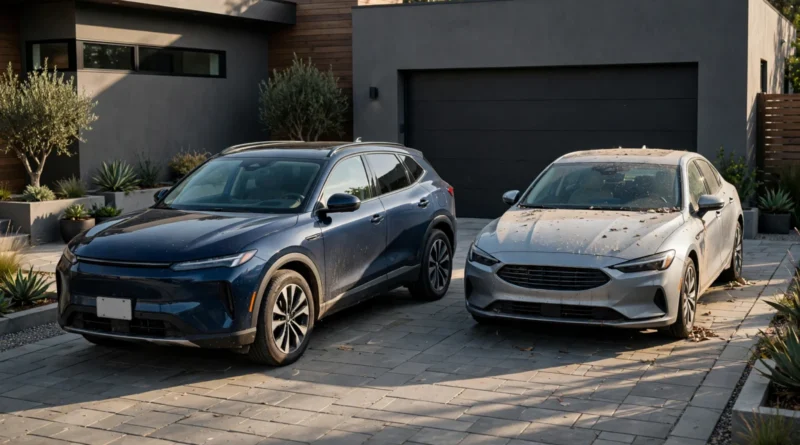
A second car can solve scheduling problems, but fixed ownership costs continue even when it barely moves. Here is how to test whether the convenience is worth it.
Read More
A larger car down payment lowers borrowing and can reduce negative-equity risk, but using too much cash can weaken your emergency fund.
Read More
Dealer financing is convenient, while direct bank or credit-union financing gives you a benchmark before you negotiate. Compare the full loan, not the sales pitch.
Read More
Balloon car loans can reduce regular payments by leaving a large balance for the end. Understand the exit risk before treating the lower payment as savings.
Read More
Auto-loan preapproval gives you a financing benchmark before you enter the dealership and can help separate the car price from the cost of borrowing.
Read More
Car depreciation can cost more than many visible ownership expenses. See how vehicle value typically changes during the first five years and why it matters.
Read More
New versus used is not just a sticker-price decision. Compare depreciation, financing, repairs, warranty coverage and total ownership cost before choosing.
Read More
A car lease can look attractive until your real driving exceeds the contract allowance. Estimate mileage before signing and price the excess-mileage risk.
Read More