Leftover Management: How to Turn Yesterday’s Food Into Real Savings
Table of Contents
01 Event
Households often treat leftovers as a bonus rather than part of the food budget. The result is predictable: cooked food gets pushed to the back of the refrigerator, forgotten, and eventually thrown away.
02 What Changed?
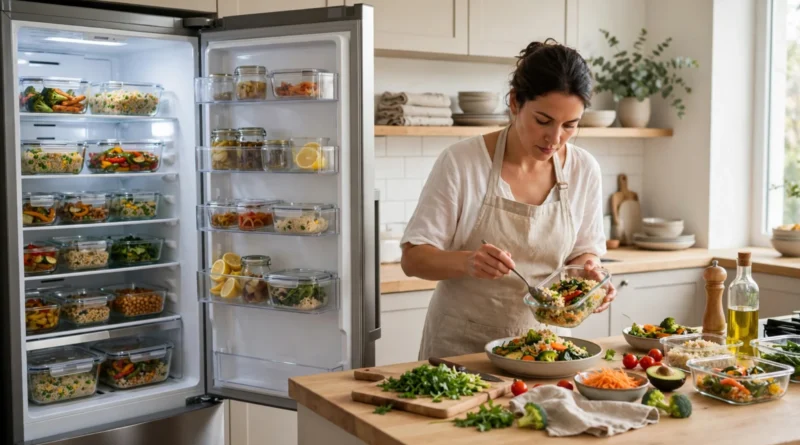
Leftover management works best when it becomes part of meal planning. Store food in clear containers, label the date, keep ready-to-eat portions visible, and assign at least one meal each week to leftovers. That turns yesterday’s dinner into a planned future meal instead of uncertain refrigerator inventory.
Portioning matters too. A large container of mixed leftovers can feel like work. Smaller meal-sized portions are easier to reheat, take to work, or freeze.
03 Why It Matters
Food waste is not just wasted food—it is wasted grocery spending, cooking time, energy, and future replacement purchases. Throwing out enough cooked food for two lunches can easily lead to buying two lunches that week instead.
04 What It Means for You
Use a simple “eat first” area in the refrigerator. Move older prepared food there, check it before cooking something new, and freeze portions you know you will not eat in time. Follow safe storage guidance rather than relying on smell alone.
05 Numbers + Context
If a household throws away just $15 worth of usable cooked food each week, that is about $780 per year. Recovering even half of that through better storage and reuse creates meaningful savings without changing what you buy.
Reference: FoodSafety.gov — Cold Food Storage Charts.
06 Earnyx Takeaway
The cheapest meal is often the one you already paid for. Leftovers become valuable when they are treated as inventory with a deadline—not as food you might remember later.