Using Your Freezer to Save on Groceries: What Actually Works
Table of Contents
01 Event
Freezers are often treated as long-term storage for food that might be useful someday. That can reduce waste—or simply move forgotten food from the refrigerator to a colder place.
02 What Changed?
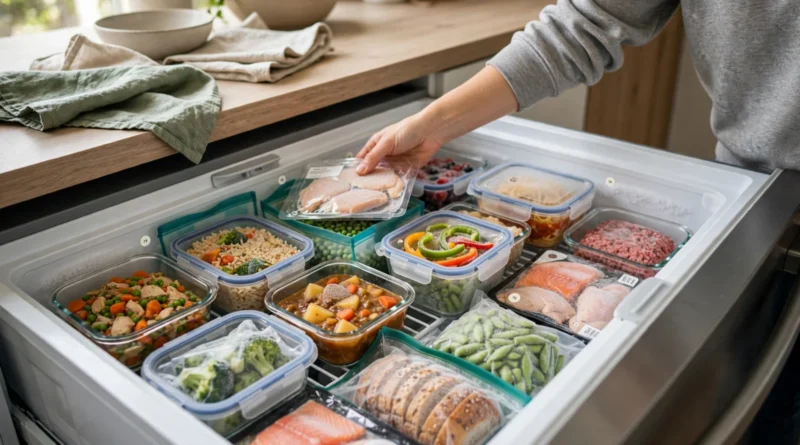
The freezer saves money when it is used intentionally. Freeze surplus portions before they deteriorate, portion bulk purchases into realistic meal sizes, and label both the item and date. Keep a simple inventory so food does not disappear behind newer purchases.
Freezing also creates flexibility. A household can take advantage of a temporary discount on meat, bread, or prepared meals without being forced to consume everything immediately.
03 Why It Matters
Food waste often happens because the household buys faster than it consumes. The freezer extends the decision window, but it only creates value if the food eventually replaces a future purchase.
04 What It Means for You
Freeze food in portions you are likely to use at one time. Put older items at the front, keep a visible inventory on the door or phone, and schedule periodic “freezer meals” before shopping again. Avoid buying bulk quantities just because you technically have freezer space.
05 Numbers + Context
Imagine buying a $20 family pack at a lower unit price. If half spoils in the refrigerator, the bargain disappears. If the unused half is properly frozen and later replaces another $10 purchase, the saving becomes real.
Reference: FoodSafety.gov — Cold Food Storage Charts.
06 Where Freezer Savings Actually Come From
The strongest savings usually come from three places: reducing spoilage, buying selected staples at a lower unit price, and cooking larger batches that replace a more expensive future meal. These are different strategies, and each should be judged on whether it reduces what the household would otherwise spend.
For example, freezing two leftover portions of a home-cooked meal can be valuable if those portions later replace takeout. By contrast, buying a large amount of discounted food creates no saving if it remains unused until quality deteriorates or it is eventually thrown away.
07 Calculate the Real Saving, Not the Sticker Discount
A useful way to think about freezer economics is:
Real freezer saving = avoided future purchase − extra cost created by bulk buying or storage
Suppose a household buys six portions of chicken for $24 instead of buying two portions for $10. If all six portions are eventually eaten, the lower unit price may create a real saving. If two portions are never used, the effective cost per consumed portion rises and the original discount becomes much less meaningful.
This same logic applies to prepared foods, bread, produce, and batch-cooked meals. The relevant question is not how much cheaper the package looked in the store. It is how much of the purchase eventually became food the household actually consumed.
08 Use the Freezer to Reduce Convenience Spending
One of the most practical uses of freezer inventory is to create an alternative to expensive convenience purchases. A frozen portion of soup, curry, rice, pasta sauce, or another meal can turn a night with little time to cook into a low-cost dinner instead of a delivery order.
That is where a freezer can affect the wider food budget. Our Earnyx guide on frozen vs fresh prepared meals looks at another way to balance convenience with food cost. A freezer meal only creates savings if it is easy enough to find and use when the household actually needs it.
09 Build a Simple Inventory System
The biggest operational problem with freezer storage is visibility. Food that cannot be seen is easy to forget. A complicated tracking system is unnecessary; a short note on the freezer door or a list on a phone is often enough.
Record the item, quantity, and approximate date. When something is used, cross it off. Put older items toward the front and newer items behind them. This basic first-in, first-out habit reduces the chance that older food stays buried indefinitely.
10 Portion Size Matters
Freezing a large container can create friction if the household later needs only one serving. Portioning food before freezing makes it easier to thaw only what is needed and reduces the temptation to leave the item untouched because using it feels inconvenient.
Smaller portions can also make leftovers more useful for lunches, quick dinners, or single-person meals. The freezer works best when stored food matches the household’s real eating patterns rather than an idealized plan.
11 Avoid Overbuying Because You Have Space
More freezer capacity can encourage larger purchases, but storage space is not the same as demand. A second freezer can even increase spending if it becomes a reason to buy more than the household can realistically cycle through.
Before buying a bulk package, estimate when it will be used. If there is no clear plan, the discount may simply convert cash into inventory. That can be especially risky for households with tight grocery budgets, because money tied up in unused food is unavailable for other needs.
12 Account for Energy and Equipment Costs
Most households already own a refrigerator-freezer, so using available freezer space may add little incremental cost. A separate chest or upright freezer is different because it has an upfront purchase price and ongoing electricity use.
If a household buys a dedicated freezer mainly to save money, the economic test should include those costs. The appliance needs to help avoid enough food waste or higher-cost purchases over time to justify itself.
13 Food Safety Still Comes First
Saving money is not useful if food is stored unsafely. Follow established guidance for freezing, thawing, and storage. FoodSafety.gov’s cold-storage chart provides official guidance on recommended refrigerator and freezer storage periods for many foods. Freezing can preserve food safely for long periods, but quality can decline over time, so labeling and rotation still matter.
14 A Practical Monthly Freezer Check
Once or twice a month, review what is already frozen before making a major grocery trip. Build one or two meals around older items, identify ingredients that need to be replenished, and avoid buying duplicates that are already in storage.
This turns the freezer from passive storage into an active part of meal planning. The goal is not to keep it permanently full. The goal is to keep food moving through it.
15 Bottom line
A freezer saves money when it helps the household consume food that would otherwise spoil, buy selected items at a genuinely lower unit cost, or replace more expensive convenience meals later. It does not create savings simply by allowing more food to be stored.
The practical rule is simple: freeze with a future use in mind, label what goes in, rotate older items forward, and judge every bulk purchase by what is eventually consumed. A freezer is not a savings account unless you actually withdraw from it.