Phone Cases: Is Paying More for Protection Actually Worth It?
Table of Contents
01 Event
A smartphone case is one of the first accessories many buyers purchase, sometimes before the phone arrives. Prices range from inexpensive basic covers to premium rugged cases that cost a meaningful percentage of a budget phone. The financial logic seems simple—protect an expensive device—but more expensive protection is not automatically better value for every user.
02 What Changed?
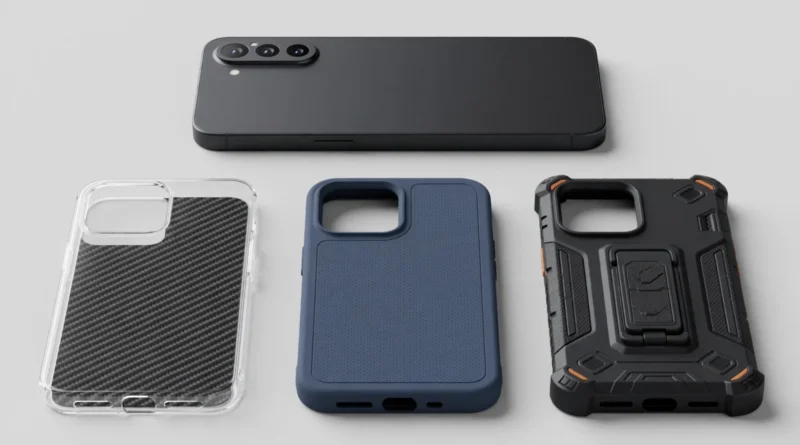
Phones have become more resistant to scratches and water, yet many still use large glass surfaces that can be expensive to repair after a hard impact. Case designs have diversified as well. Thin cases prioritize grip and scratch protection, while rugged designs add thicker corners, raised edges and impact-absorbing structures. Some premium cases also charge for materials, design or accessory ecosystems rather than protection alone.
03 Why It Matters
The case is effectively a small risk-management purchase. Spending $30 to reduce the chance of a $200 screen repair can be sensible. Spending $100 on a case for a low-cost phone may be harder to justify unless your environment creates unusually high damage risk. The expected value depends on repair cost, likelihood of damage and how much protection the case actually adds.
There are nonfinancial trade-offs. Very rugged cases add size and weight. Thin cases may preserve the feel of the phone but offer less impact protection. A case you dislike enough to remove frequently provides little practical value.
04 What It Means for You
Match protection to your behavior. If you work outdoors, frequently drop devices, have children using the phone or carry it in demanding environments, stronger protection may be worth the bulk. If the phone mostly moves between a desk, pocket and home, a simpler case with good grip and raised edges may be sufficient.
Look for specific design features rather than marketing adjectives: corner protection, screen and camera clearance, secure fit and compatibility with charging accessories. Independent drop tests can be useful, but test conditions differ and no case can guarantee that a phone survives every impact.
05 Numbers + Context
Suppose a screen repair costs $250. A $35 case that prevents even one such repair over several years produces an obvious financial benefit. But buying three $70 fashion cases during ownership costs $210, nearly as much as the repair being avoided. Protection spending can itself become a hidden accessory category.
Manufacturer repair pages provide useful context for the potential cost of damage. Case makers may publish testing claims, but compare the methodology where available rather than treating labels such as “military grade” as a universal measure of real-world protection.
Replacement frequency matters as well. A durable case that lasts the entire ownership period may be cheaper than repeatedly buying inexpensive cases that discolor, crack or loosen. Evaluate the case as a multi-year accessory when possible. On the other hand, durability does not justify paying for decorative features you do not value.
If you already carry device insurance, a case can still reduce inconvenience by preventing damage that would otherwise require a claim, deductible and time without the phone. Insurance and physical protection address the same risk in different ways.
06 Earnyx Takeaway
The best phone case is not the most expensive or the thickest. It is the least costly case that provides enough protection for your actual risk while remaining comfortable enough that you keep using it. Protect the expensive device, but do not turn protection accessories into another expensive habit.