Screen Protectors: Cheap Insurance or an Unnecessary Extra?
Table of Contents
01 Event
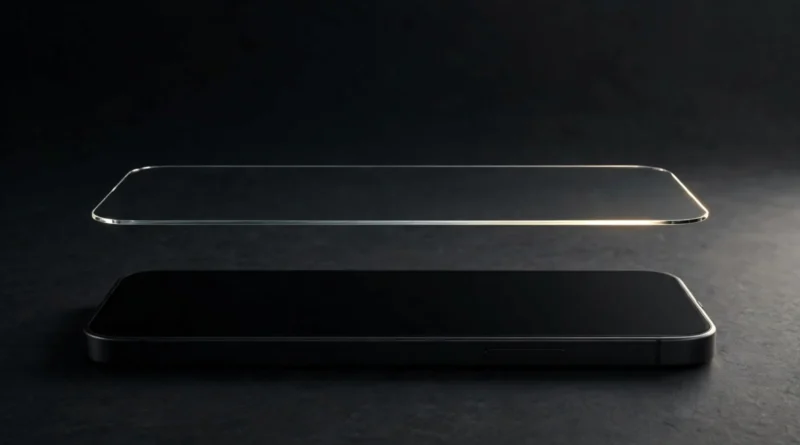
Screen protectors are sold as inexpensive protection for one of the most vulnerable and expensive parts of a smartphone. Tempered glass and film products can cost very little compared with a screen replacement, which makes them feel like obvious insurance. But modern phone glass is already engineered for durability, and a protector cannot prevent every type of impact.
02 What Changed?
Smartphone displays have improved in scratch and impact resistance, while screen protectors have become easier to install and cheaper to replace. Tempered-glass products can absorb scratches and some direct impacts, while thin films mainly protect the surface. Curved displays, fingerprint sensors and specialty coatings can complicate fit and performance on certain models.
03 Why It Matters
The economic case is about inexpensive sacrificial protection. A $15 protector that becomes scratched or cracked can be replaced without touching the phone’s display. But buyers sometimes mistake a cracked protector as proof that the underlying screen would definitely have broken without it. Impact physics are more complicated, and protection varies by angle, height, surface and case design.
There is also a user-experience cost if a poor protector reduces touch sensitivity, creates glare, interferes with biometric sensors or develops distracting bubbles.
04 What It Means for You
Consider your environment and tolerance for cosmetic wear. If your phone shares a pocket or bag with hard objects, a protector can preserve the display surface. If you frequently drop phones, combine a protector with a case that has raised edges rather than expecting the protector alone to absorb every impact.
Choose a product specifically designed for your model and check compatibility with fingerprint sensors and cases. Proper installation matters. Dust trapped underneath and misaligned edges can make even an inexpensive protector annoying enough to remove.
05 Numbers + Context
Suppose a compatible screen replacement costs $250 and a tempered-glass protector costs $15. Even if the protector only reduces a small portion of your damage risk, the cost ratio makes it an inexpensive precaution. But replacing a $30 premium protector four times costs $120, so repeated accessory spending should still be considered.
For repair-cost context, check the manufacturer’s official service pricing for your device. For protection claims, look for clear test information from the accessory maker rather than assuming every tempered-glass product performs equally.
Think about replacement behavior before choosing an expensive protector. Cosmetic chips around the edge do not always require immediate replacement if the protector remains secure and usable. Replacing protectors every time they develop a tiny mark can turn a cheap precaution into recurring accessory spending.
Some users may reasonably skip one. A phone used mostly at home, protected by a case with a raised lip and handled carefully may have relatively low exposure. The decision is about risk reduction, not a universal requirement.
Installation services can add convenience but also raise the total cost. If the retailer offers free replacements or installation under a defined program, include those terms when comparing a premium product with inexpensive self-installed alternatives.
06 Earnyx Takeaway
A screen protector is best viewed as low-cost surface and limited impact protection, not a force field. It makes the most sense when it is inexpensive, compatible and unobtrusive. Pair it with sensible handling and a suitable case if your damage risk is high, and avoid paying premium prices for protection claims that are difficult to verify.