
Iran and Oman Discuss Temporary Strait of Hormuz Corridor as U.S. Standoff Continues
Table of Contents
01 Event
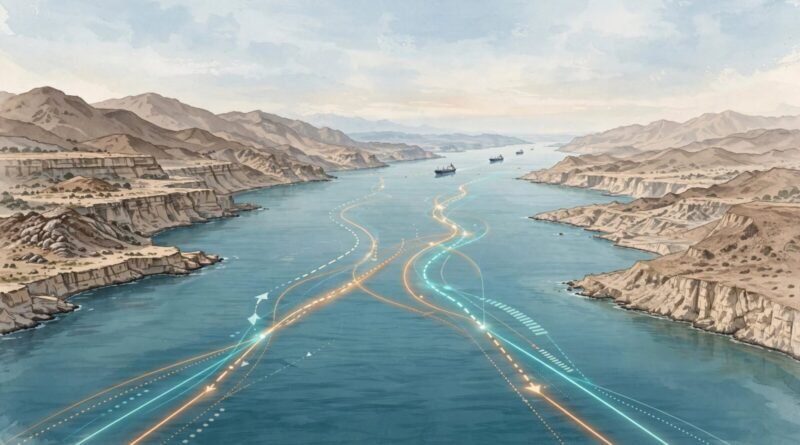
Iran and Oman have discussed creating a temporary navigational corridor through the Strait of Hormuz as efforts continue to ease a confrontation that has disrupted one of the world’s most important energy shipping routes. Reuters reported on August 25 that the two countries said they discussed a joint temporary corridor and agreed on efforts to clear mines from the strait. The talks come as the broader impasse involving Iran and the United States continues and commercial shipping through the waterway remains under pressure.
The Strait of Hormuz connects the Persian Gulf with the Gulf of Oman and the Arabian Sea. Its importance extends far beyond the immediate region because oil and other commodities shipped from Gulf producers depend heavily on reliable access through the narrow passage. Recent tanker attacks, security concerns and sharply reduced vessel movements have made the strait a direct source of risk for energy markets and global supply chains.
02 What Changed?
The important change is that the discussion has moved toward a concrete, if temporary, mechanism for navigation rather than remaining only at the level of diplomatic statements. A navigational corridor would not resolve the wider U.S.-Iran dispute, but it could create a practical route for some commercial traffic while negotiations continue. Reuters previously reported that ship crossings had fallen into single digits on some days, illustrating how severely normal traffic had been affected.
Markets reacted quickly to the possibility of improvement. Reuters reported that oil prices fell by more than $2 a barrel as Iran-Oman talks revived hopes that the Strait of Hormuz could reopen more fully. That reaction shows how much geopolitical risk had already been built into energy prices.
03 Why It Matters
The Hormuz issue matters because disruption at a major energy chokepoint can spread through the global economy. Higher transport risk can raise insurance and freight costs even before physical shortages appear. If fewer tankers can move safely, buyers may compete for alternative supplies and routes, putting upward pressure on energy costs.
Oman’s role is also significant. The country has often maintained working relationships across regional divides, making it a potentially useful intermediary. A temporary corridor could therefore serve two purposes: restore some commercial movement and provide a limited confidence-building measure while larger political disputes remain unresolved.
04 What It Means for You
For consumers far from the Middle East, the most visible effects may arrive through fuel prices, electricity costs, airline fares and the prices of goods that depend on energy-intensive transport. Businesses that import products can also face higher freight and insurance costs when major sea lanes become less predictable.
A functioning corridor would not guarantee lower prices. It could, however, reduce part of the risk premium associated with fears of prolonged disruption. Consumers and investors should therefore distinguish between a temporary shipping arrangement and a durable political settlement. The first can calm markets; the second would be needed to remove much of the longer-term uncertainty.
05 Numbers + Context
Reuters reported that only seven commodity ships sailed through the Strait of Hormuz on one recent Thursday, about half the previous day’s tally. Iran also said it had blacklisted 45 tankers for alleged violations of its transit rules. Those figures help explain why even preliminary corridor talks can move oil markets.
The more than $2-per-barrel decline reported after the latest diplomatic development is another useful measure of market sensitivity. Oil prices incorporate expectations about future supply, so changes can occur well before physical flows return to normal.
06 Earnyx Takeaway
The key point is that a temporary Hormuz corridor would be an economic pressure valve, not a peace agreement. Its immediate value would be practical: more predictable navigation could reduce shipping risk and ease some pressure on energy prices. But the market response also reveals how fragile the situation remains. When a preliminary discussion between two countries can move crude prices by several dollars, global energy costs are still carrying a substantial geopolitical premium.
For households and businesses, the smartest way to read this development is to watch actual vessel traffic rather than diplomatic language alone. If crossings recover consistently and insurers become more comfortable with the route, the economic benefit will be more durable. If traffic remains constrained, price volatility is likely to persist regardless of optimistic headlines.
Sources: Reuters, August 25–26, 2026, reporting on Iran-Oman corridor discussions, Strait of Hormuz shipping activity and oil-market reaction.


Pingback: Venezuela Announces 25-Year U.S. Energy Deal
Pingback: Oil Prices Fall as Hormuz Talks and Fed Risks Shift Markets