Septic System Maintenance: How to Budget for Pumping, Inspections, and Repairs
A septic system is a private wastewater system, which means the property owner is generally responsible for operation, maintenance, and repair. When it works well, the system can be easy to forget. When maintenance is ignored, the result can be sewage backup, drainfield failure, groundwater contamination, or an expensive replacement.
A good septic budget therefore focuses on regular inspection, pumping based on actual system conditions, protecting the drainfield, and keeping records rather than waiting for a failure.
Table of Contents
Know what system you have
Conventional gravity systems, pressure-dosed systems, aerobic treatment units, mound systems, and other onsite systems have different components and maintenance requirements.
Start by locating the tank, drainfield, access lids, pumps, alarms, and any treatment equipment. Keep permits, design drawings, pumping records, and service contracts.
EPA recommends routine inspection and pumping
The U.S. Environmental Protection Agency’s septic-system care guidance says typical household systems should be inspected periodically and tanks pumped based on factors including tank size, household size, water use, and accumulated solids. Alternative systems with mechanical components may require more frequent service.
Use the professional’s inspection of actual sludge and scum levels rather than treating one interval as a universal rule for every property.
Pumping is maintenance, not a repair
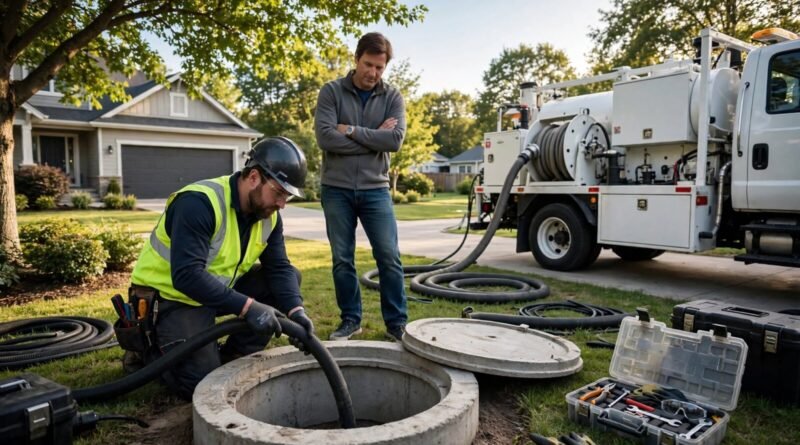
Pumping removes accumulated solids so they do not carry into the drainfield. It does not fix a cracked tank, failed baffle, broken line, saturated drainfield, damaged pump, or other structural problem.
If performance issues return immediately after pumping, ask for diagnosis rather than simply scheduling another pump-out.
Water use affects the system
EPA recommends using water efficiently because excessive hydraulic loading can reduce treatment performance and stress the drainfield.
Spread large water uses through the week when practical, repair plumbing leaks, and avoid routing roof or foundation drainage into the septic system.
What goes down the drain matters
Toilets should not be used for wipes, hygiene products, grease, chemicals, or other materials that can clog or disrupt the system. Garbage disposals can add solids and may increase maintenance needs.
EPA also states that septic additives are not necessary for normal system function and can be unhelpful or harmful in some cases.
The drainfield needs protection
Do not drive, park, build, or place heavy structures over the drainfield unless the system is specifically designed for it. Roots, grading changes, and concentrated surface water can also damage performance.
Keep drainage away from the field so the soil can accept wastewater as designed.
A maintenance budget has several layers
Separate:
- routine inspection;
- tank pumping;
- filter cleaning where applicable;
- pump or alarm servicing;
- minor line or baffle repairs;
- and a long-term reserve for major system work.
Local service prices vary, so use current quotes from licensed or qualified providers rather than a national average.
A hypothetical sinking-fund example
Suppose your local inspection and pumping history suggests about $1,200 of routine service over a three-year planning period, and you want an additional $1,800 reserve for small mechanical repairs.
A simple monthly contribution would be:
($1,200 + $1,800) ÷ 36 = about $83 per month
This is an illustrative budgeting example, not a recommended amount for every septic owner.
Watch for warning signs
Slow drains, sewage odors, wet or unusually green areas over the drainfield, backups, alarms, or surfacing wastewater deserve prompt investigation.
Do not enter a septic tank. Tanks can contain dangerous gases and present confined-space hazards.
Failure can affect drinking water
EPA explains that poorly functioning septic systems can contaminate nearby drinking-water wells under certain conditions. This is especially important for properties that rely on both onsite wastewater and private wells.
Maintaining both systems protects health as well as property value.
Homebuyers should inspect the septic system separately
A general home inspection may not fully evaluate an onsite wastewater system. Local practice, lender rules, and health-department requirements differ.
When buying a septic property, obtain the records and a qualified septic evaluation appropriate to the local system and regulations.
Replacement cost depends on the site
Major septic work can be affected by soil, lot size, groundwater, topography, required treatment level, access, permitting, engineering, and whether a replacement area exists.
This is why generic replacement averages can be misleading. A conventional gravity system and an engineered alternative system are not comparable projects.
Local health rules matter
Septic systems are regulated largely through state and local authorities. Pumping, inspection, repair, abandonment, and replacement requirements can vary.
Use your local health or environmental agency for current rules before major work.
Insurance is not a maintenance plan
Ordinary septic deterioration or maintenance may not be covered by homeowners insurance, while certain sudden covered losses may be treated differently.
Earnyx’s insurance exclusions guide explains why the cause of loss matters more than the size of the repair bill.
Keep records for future sale
Pumping receipts, inspection reports, repair invoices, permits, and system diagrams can help future owners understand the system and can make due diligence easier.
Records also prevent unnecessary excavation when contractors need to locate tanks and components.
Bottom line
Septic-system maintenance is a recurring homeownership cost, not an occasional emergency expense.
Know your system, inspect and pump based on professional guidance and actual conditions, use water responsibly, protect the drainfield, and maintain a reserve for mechanical or structural repairs. Routine care cannot prevent every failure, but it is far cheaper and safer than treating the system as invisible until sewage appears.