
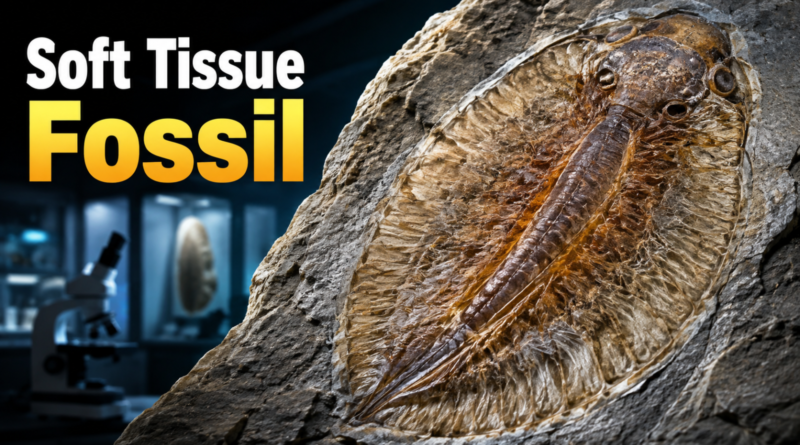
A 450-Million-Year-Old Fossil Preserved Soft Tissue Against the Odds
Table of Contents
01 Event
Paleontologists identified exceptionally rare soft tissue in a 450-million-year-old crinoid fossil, making it the oldest known example of preserved crinoid soft tissue.
02 What Changed?
Most fossils preserve hard parts such as shells or skeletal plates. This specimen preserved delicate tube feet, structures that normally decay quickly after death.
03 Why It Matters
Soft tissue can reveal how ancient animals actually functioned, fed, and interacted with their environment. That gives scientists biological detail that hard skeletons alone cannot provide.
04 What It Means for You
The discovery is a reminder that museum collections can still contain major findings years after fossils are collected. New techniques and new specialists can turn old specimens into fresh science.
05 Numbers + Context
Crinoids lived in some of Earth’s earliest reefs more than 450 million years ago. Researchers say this is only the second known example of preserved crinoid soft tissue and the oldest identified so far. Source: University of Oklahoma.
06 Earnyx Takeaway
This is valuable not because the fossil is simply old, but because it preserves information that almost never survives. A tiny patch of soft tissue can add an entirely new layer to how scientists reconstruct early animal life.