Buy Now, Pay Later: The Hidden Cost of Splitting One Purchase Into Four
Buy now, pay later can make a purchase feel easier by dividing the price into several installments. The arithmetic does not make the item cheaper. The real risk appears when several plans overlap and future income is already committed before ordinary bills arrive.
Table of Contents
01 Event
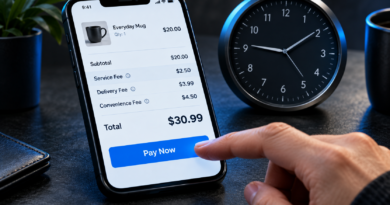
Installment payment options are now common at online and physical checkouts. A shopper may see four smaller payments instead of one full purchase price, reducing the immediate psychological impact of spending.
That convenience can be useful for cash-flow timing, but it can also encourage consumers to evaluate affordability by the size of the first payment rather than the total obligation.
02 What Changed?
Buy now, pay later products have grown into a significant consumer-credit category. The Consumer Financial Protection Bureau has published research on consumer use of BNPL and other unsecured debt, including how borrowers may use multiple credit products.
Terms vary by provider and transaction. Some plans may advertise no interest, while late fees, account restrictions or other consequences can still apply depending on the product.
03 Why It Matters
One four-payment plan is easy to remember. Five overlapping plans can create a calendar of automatic withdrawals that competes with rent, utilities, groceries and other obligations.
The danger is not necessarily the financing cost. It is the loss of visibility into how much future cash has already been promised.
Earnyx’s weekly versus monthly budgeting guide can help align installment due dates with the timing of actual income and bills.
04 What It Means for You
Before using BNPL, write down the full purchase price and every scheduled payment. Treat the unpaid installments as money already spent.
Add the payment dates to your cash-flow calendar and compare them with existing commitments. Do this before opening another plan.
Read the provider’s current terms for late payments, returns, refunds, autopay and dispute handling. Retailer return policies and financing refunds may not operate on identical timelines.
If you would not buy the item at its full price today, ask whether the installment display is changing your judgment rather than merely changing payment timing.
05 Numbers + Context
Suppose a hypothetical $240 purchase is split into four $60 payments. The total remains $240. If you simultaneously have three other plans requiring $45, $35 and $70 during the same pay period, your upcoming BNPL obligation is $210 even though no single checkout felt large.
If your discretionary budget for that period is $250, those commitments leave only $40 before any new purchase. These numbers are illustrations, not typical BNPL balances.
06 Earnyx Takeaway
BNPL changes timing, not affordability.
Judge the purchase at the full price before looking at the installment amount.
Keep a single list of all active plans, outstanding balances and next payment dates. Do not rely on remembering separate apps.
Automatic payments reduce missed-payment risk only when the linked account has enough cash. Otherwise they can create overdraft or failed-payment problems depending on account and provider terms.
Returns require attention. A merchant refund may take time to reach the financing account, so monitor the plan until the balance is actually adjusted.
Promotional “zero interest” does not make an unnecessary purchase financially efficient. The principal still leaves your budget.
Credit reporting and underwriting practices can vary by product and evolve over time. Check current provider disclosures rather than assuming BNPL is invisible to credit systems.
Multiple plans create a form of subscription-like cash-flow pressure. The household enters each pay period with less uncommitted income.
Use BNPL cautiously for essential purchases when timing is the genuine problem. It is less useful when the financing is what makes an unaffordable discretionary purchase feel acceptable.
Compare with a credit card only if you understand the card’s interest and can pay according to your plan. Replacing one form of debt with another does not automatically improve the budget.
Pause new installment purchases when the active-plan list becomes difficult to summarize from memory. Complexity itself is a warning sign.
The Earnyx method is to subtract all future installments from future income before deciding what is available to spend. When the full purchase still fits comfortably, installments may be a convenience. When only the first payment fits, the purchase does not.