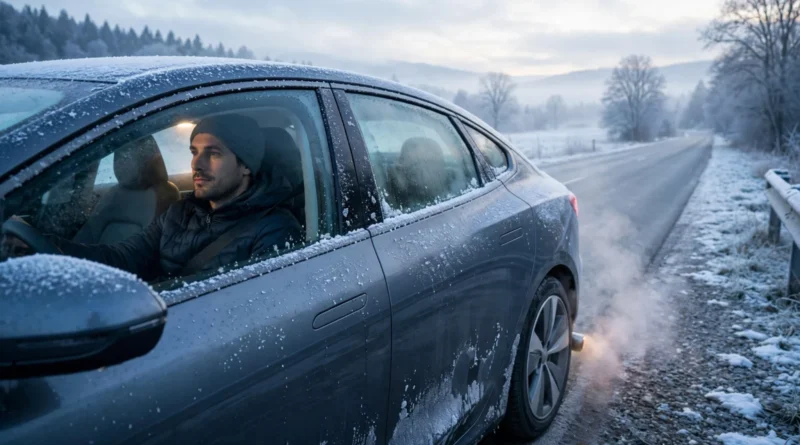
Do Cars Need to Idle Before Driving in Cold Weather?
Table of Contents
01 Event
For generations, drivers in cold climates have been told to start the car and let it idle for several minutes before driving.
02 What Changed?
Modern fuel-injected vehicles manage cold starts differently from older carbureted cars. Long stationary warm-ups are generally unnecessary for normal operation, although drivers should always follow the vehicle manufacturer’s instructions and clear windows for safe visibility.
03 Why It Matters
An idling engine consumes fuel while covering zero distance. Extended warm-up routines can therefore add recurring fuel use without delivering the benefit many drivers assume.
04 What It Means for You
After starting a modern vehicle, allow the brief time required by the manufacturer and conditions, then drive gently rather than accelerating aggressively while the vehicle is cold. Safety comes first: never drive until windows are sufficiently clear.
05 Numbers + Context
The U.S. Department of Energy states that most manufacturers recommend driving off gently after about 30 seconds and that the engine warms faster when driven. Exact recommendations vary by vehicle, temperature and powertrain.
Reference: U.S. Department of Energy — Saving Money on Gas.
06 Earnyx Takeaway
The old long-idling ritual does not translate cleanly to modern vehicles. Follow the manual, prioritize visibility and safety, and avoid burning fuel simply because an older automotive habit says you should.