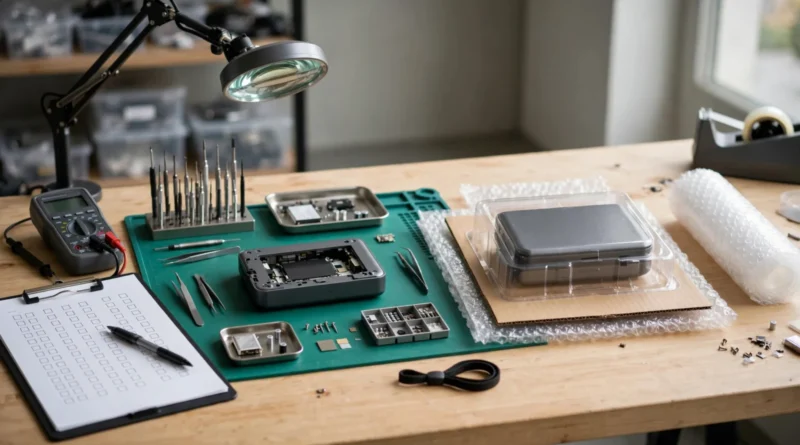
Manufacturer Refurbished vs Seller Refurbished: What Are You Actually Buying?
Table of Contents
01 Event
A shopper finds two refurbished versions of the same device: one restored through the manufacturer and another offered by a marketplace seller at a lower price.
02 What Changed?
The word refurbished describes a process, but it does not guarantee that every seller follows the same process. Manufacturer programs may use defined inspection standards and warranty terms, while independent sellers can range from highly professional refurbishers to basic resellers.
03 Why It Matters
The cheapest listing can carry more uncertainty about battery condition, replacement components, water damage, cosmetic grading or post-sale support.
04 What It Means for You
Compare the actual warranty, return period, testing checklist, battery standard, seller history and who handles a failure. Do not assume “manufacturer refurbished” automatically wins either; compare the full package and price.
05 Numbers + Context
If manufacturer-refurbished costs $550 and seller-refurbished costs $500, the decision is whether the $50 difference buys protection you value. If both provide equivalent documented testing and warranty coverage, the cheaper option becomes more compelling.
Reference: FTC — Warranties.
06 Earnyx Takeaway
Compare refurbishment standards, not labels. The best deal is the device with the strongest combination of condition, protection and price for the risk you are willing to accept.