
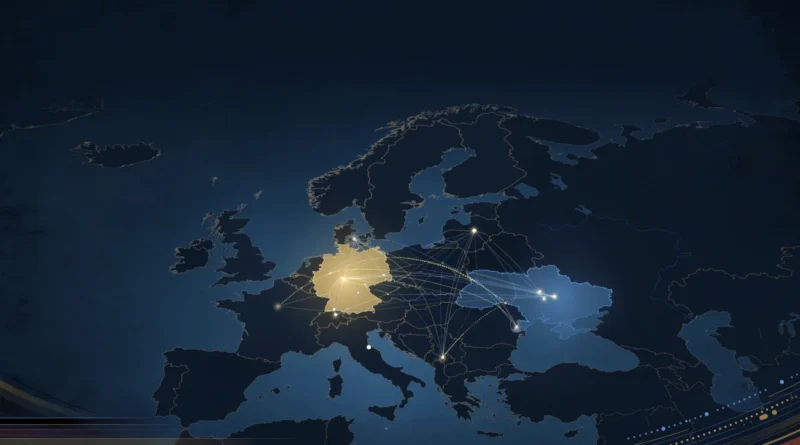
Germany to Press U.S. for a More Active Role on Ukraine
Table of Contents
01 Event
German Foreign Minister Johann Wadephul is expected to urge U.S. Secretary of State Marco Rubio to take a more active American role on Ukraine, according to Reuters.
The talks come as European governments continue assessing the future of Western support, diplomacy and security commitments surrounding the war.
Source: Reuters.
02 What Changed?
Germany’s message puts renewed emphasis on U.S. engagement at a time when European governments are considering how responsibility for Ukraine should be shared across the Atlantic alliance.
The development is diplomatic rather than a new military or financial commitment, but it highlights pressure for clearer U.S. participation.
03 Why It Matters
Changes in U.S. involvement can influence European defense planning, government budgets, energy markets and investor expectations. Germany, as Europe’s largest economy, has particular weight in debates over how the region funds and organizes its security.
04 What It Means for You
There is no immediate consumer action attached to a diplomatic meeting. The economic relevance comes from what follows: defense commitments, sanctions, energy policy and government spending can all have downstream effects on businesses and households.
05 Numbers + Context
- Main parties: Germany and the United States.
- Central issue: The level of U.S. engagement on Ukraine.
- Immediate status: Diplomatic pressure and talks, not a newly announced aid package.
06 Earnyx Takeaway
The headline is less about a single meeting than about burden-sharing. Europe is trying to understand how much U.S. support it can count on and how much more responsibility European governments may need to carry themselves.
The next meaningful signal will be a concrete policy response—on diplomacy, aid, sanctions or security commitments—rather than the rhetoric surrounding the talks.