
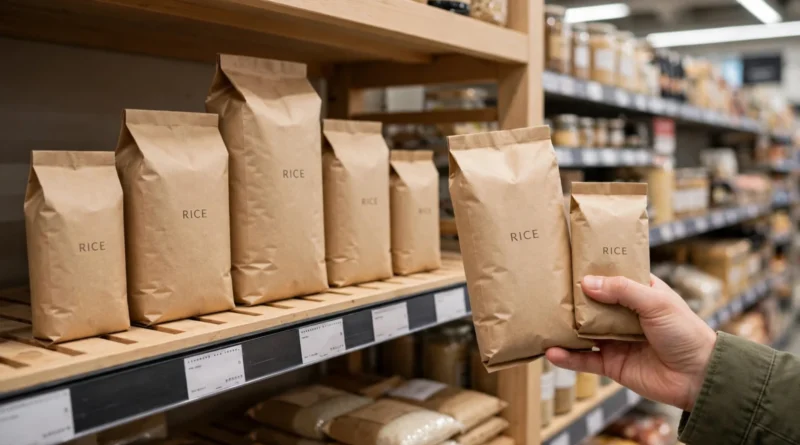
Grocery Price per Unit: The Number That Makes Package Sizes Comparable
Table of Contents
01 Event
Grocery shelves are designed around dozens of package sizes, multipacks, promotions, and brand tiers. A larger package can look like the better deal even when the actual cost per ounce, gram, liter, or item is higher.
02 What Changed?
Unit pricing strips away the packaging difference. Instead of comparing a $4.79 bottle with a $6.99 bottle, compare what each costs per ounce or per 100 grams. That makes different sizes directly comparable.
It is especially useful when manufacturers change package sizes without making the front-of-pack price change look dramatic. Smaller packages can quietly raise the effective price even when the shelf tag still looks familiar.
03 Why It Matters
A small unit-price gap compounds when the product is purchased repeatedly. If one item costs $0.42 per ounce and another costs $0.35, buying 20 ounces each week creates roughly a $73 annual difference.
04 What It Means for You
Check the unit-price line on the shelf label when it is available. If it is missing, divide the price by the quantity yourself. Compare equivalent units and then ask whether you will actually use the larger package before it expires or becomes waste.
05 Numbers + Context
Unit pricing is widely used by retailers and is specifically intended to help consumers compare value across package sizes. Some jurisdictions require it, while others do not, so availability varies.
Reference: NIST Office of Weights and Measures — Retail Pricing Laws and Regulations.
06 Earnyx Takeaway
The shelf price tells you what you pay today. The unit price tells you what the product really costs. Use both—and never assume the largest package is automatically the cheapest.

Pingback: How to Use Unit Pricing Without Overlooking Waste, Storage
Pingback: Bulk Nonperishables vs Perishables: Where Do You Save?