Shopping With a Grocery List: Why a Simple Plan Can Cut Waste and Overspending
A grocery list is one of the cheapest budgeting tools available. Its value is not that it prevents every impulse purchase; it connects planned meals, existing inventory and the shopping trip so fewer items are forgotten, duplicated or wasted.
Table of Contents
01 Event
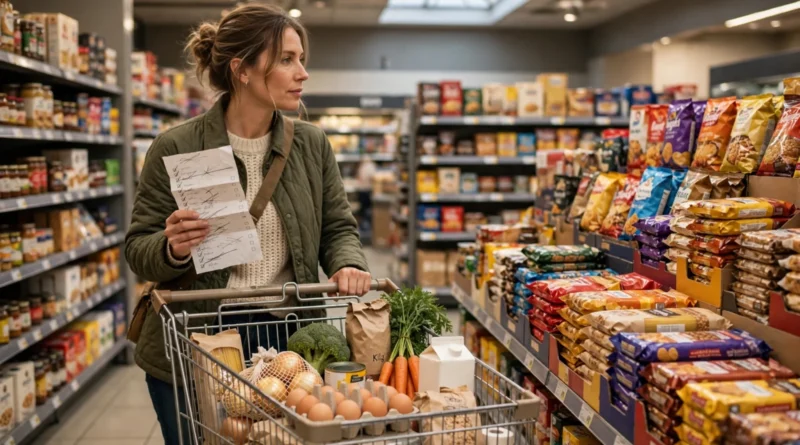
Grocery shopping combines dozens of small decisions under time pressure. Without a plan, shoppers can buy ingredients they already own, forget one item needed for a meal and make another trip later, or purchase promotions that never become meals.
A useful list turns the trip into execution of a household plan rather than a series of isolated shelf decisions.
02 What Changed?
Retail apps, digital coupons and online grocery carts have made lists easier to maintain, but they also expose shoppers to more personalized promotions and suggested add-ons. The list remains valuable because it creates a reference point for deciding whether a promotion solves a real need.
Food-waste awareness also strengthens the case for planning. The U.S. Department of Agriculture provides resources on food loss and waste, highlighting why unused groceries have both household and broader costs.
03 Why It Matters
Overspending is not only caused by expensive items. It can come from duplicate condiments, produce that spoils, ingredients purchased without a meal plan and extra trips that trigger additional purchases.
A list can reduce these leaks by forcing a quick inventory check before shopping.
Earnyx’s weekly grocery budget guide shows how a planned spending limit and meal strategy can work alongside the shopping list.
04 What It Means for You
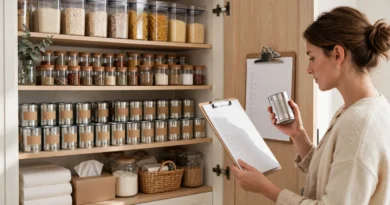
Start with meals you expect to prepare before the next shopping trip. Check the pantry, refrigerator and freezer, then list only the missing ingredients.
Add household staples that are genuinely low. Avoid automatically replenishing every product simply because it is below full.
Organize the list by store section if that reduces backtracking. A faster trip can also reduce exposure to unnecessary displays.
Leave a small flexible budget for substitutions or a genuinely useful promotion. A list should guide decisions, not prevent sensible adaptation.
05 Numbers + Context
Suppose a household spends a hypothetical $150 per week on groceries. If better planning reduces duplicate purchases and waste by only 5%, the modeled saving is $7.50 per week, or $390 across 52 weeks.
This is an illustration, not a claim that lists save 5%. The actual result depends on current shopping habits and how much waste the household has to eliminate.
A more reliable personal calculation is to track discarded food and unplanned grocery purchases for four weeks before and after adopting a list.
06 Earnyx Takeaway
A grocery list works best when it is the final step of planning, not the first. Inventory and meals determine what belongs on it.
Keep the list accessible throughout the week so household members can add staples as they run low.
Separate “needed” items from “nice if discounted” items. This preserves flexibility without turning every promotion into permission to spend.
Quantities matter. Writing “apples” is less useful than estimating how many will realistically be eaten before the next trip.
Check the freezer before buying proteins or prepared foods. Frozen inventory is easy to forget because it is less visible.
Review perishables first when planning meals. Using ingredients already close to spoilage can prevent a new purchase and reduce waste.
Do not treat coupons as savings unless the item was already needed or replaces a planned alternative.
Store-brand substitutions can reduce cost, but the list should describe the need rather than locking you into a brand unless quality differences matter.
Online grocery carts can function as a list and running total. They can make it easier to remove low-priority items before checkout.
For in-store shopping, keep a rough running total when budget limits are tight. A list controls what you intend to buy; the running total controls how much the plan costs.
Post-shopping review is useful. Mark which listed items were not bought and which unlisted items were added. Patterns reveal where the plan repeatedly fails.
The Earnyx method is inventory first, meals second, list third and promotions last. That order keeps the household’s needs in control of the shopping trip instead of letting the store decide what goes into the cart.