
Wheel Alignment and Fuel Economy: When Bad Alignment Starts Costing You More
Table of Contents
01 Event
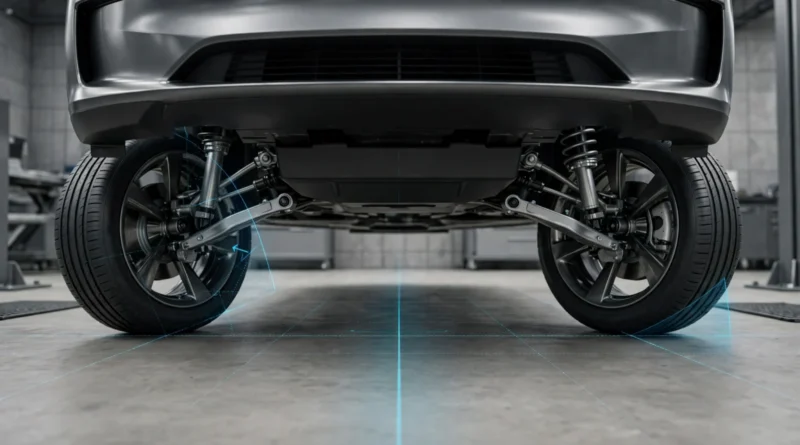
Wheel alignment is often discussed as a tire-wear or steering issue, but it can also affect how efficiently a vehicle rolls. When wheels are not pointing in the intended directions, tires can scrub against the road instead of rolling cleanly. The engine then has to overcome that resistance while the tires may wear unevenly.
02 What Changed?
Modern suspension systems use precise alignment specifications for toe, camber and caster. Potholes, curb impacts, worn suspension parts and repairs can move the vehicle outside those specifications. At the same time, drivers may not notice a gradual change because they unconsciously compensate at the steering wheel.
An alignment is not routine maintenance that must be purchased on an arbitrary calendar. It is a measurement and adjustment service that becomes valuable when symptoms, tire wear, impacts or suspension work indicate a need.
03 Why It Matters
The financial case extends beyond fuel. A severe alignment problem can shorten tire life, and premature replacement of a tire set may cost far more than the extra gasoline consumed. Alignment can also affect steering stability and handling, making it a condition issue rather than merely an efficiency optimization.
Conversely, paying for repeated alignments when measurements are already within specification creates no fuel benefit. Diagnosis should come before adjustment.
04 What It Means for You
Watch for uneven or rapid tire wear, a steering wheel that sits off-center on a straight road, persistent pulling, or a change after a hard pothole or curb impact. Some pulling can also come from tire pressure, road crown, tire condition or mechanical faults, so inspection matters.
If you purchase an alignment, ask for before-and-after measurements. They show whether the vehicle was actually outside specification and what was corrected. If the shop cannot bring the alignment into range, worn or damaged suspension components may need attention first.
05 Numbers + Context
Assume a vehicle normally costs $1,500 per year to fuel. If a meaningful alignment problem raised consumption by 2%, that would be about $30 annually. That number alone may not justify an alignment solely as a fuel-saving measure. But if the same problem causes a $700 set of tires to wear out 15,000 miles early, tire preservation becomes the dominant economic reason to fix it.
This illustrates why fuel economy should be treated as one symptom of rolling resistance, not the entire business case. Tire and vehicle manufacturers publish alignment specifications, while service manuals provide the correct ranges for each model.
After an alignment, track tire wear and long-term fuel economy rather than expecting an immediate dramatic change on the dashboard. Weather, routes and driving style can easily mask a modest efficiency improvement.
Alignment also belongs in the conversation when replacing tires. Installing a new set on a vehicle with unresolved alignment problems can damage the value of that purchase from the first mile. If the old tires show abnormal wear, identifying the cause before or during replacement can protect the new set.
Do not confuse alignment with wheel balancing. Balancing addresses how mass is distributed around the rotating wheel and tire; alignment concerns the angles at which the wheels meet the road. Both can affect how a vehicle feels, but they solve different problems and should not be purchased interchangeably.
06 Earnyx Takeaway
Do not buy an alignment because someone promises a magical mpg increase. Buy one when measurements or symptoms show that the wheels are not operating as designed. Correct alignment protects tires, supports predictable handling and may reduce wasted energy. The strongest savings often come from preventing premature tire replacement, with fuel economy as an additional benefit.