Prepaid Home Internet: When Paying Upfront Can Be the Better Deal
Table of Contents
01 Event
Prepaid home internet reverses the usual broadband billing relationship: instead of receiving ongoing service and a monthly bill, customers pay in advance for a defined service period or data package. It can appeal to renters, students, temporary households and consumers who want tighter control over recurring expenses. Whether it is cheaper depends on how the provider structures equipment, data and renewal pricing.
02 What Changed?
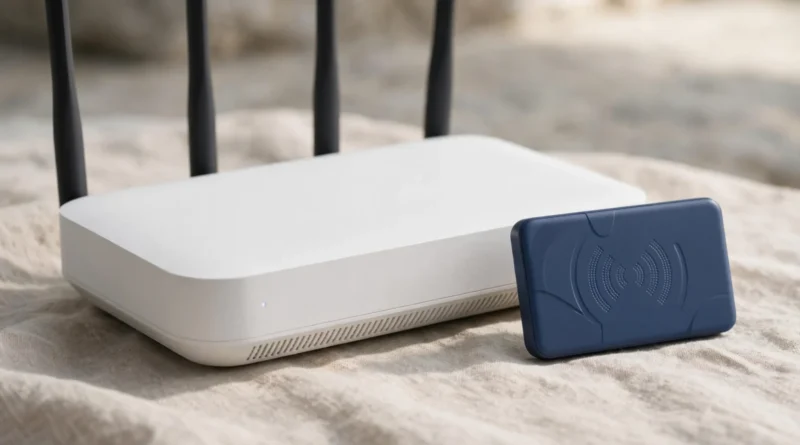
Home connectivity is no longer limited to long-term cable or telephone-company subscriptions. Fixed wireless, mobile networks and portable gateways have made prepaid models more practical. Some products resemble ordinary unlimited home internet with advance monthly payment, while others operate more like mobile data plans with explicit allowances.
This flexibility can remove credit checks, contracts or surprise overage bills, but it may also shift costs upfront. Customers may need to purchase the modem or gateway rather than receiving subsidized equipment.
03 Why It Matters
Prepaid service can make budgeting simpler because service stops or requires renewal instead of quietly accumulating a balance. It can also avoid paying for internet during periods when a property is empty. For seasonal homes or short leases, that flexibility has genuine value.
However, a lower advertised monthly rate does not guarantee a lower total cost. Equipment, activation, top-ups and smaller data allowances can make prepaid service more expensive per gigabyte or per month of actual use.
04 What It Means for You
Identify whether the plan is truly unlimited, subject to a high-speed data allowance or deprioritized after a threshold. Check how renewal works and whether unused data carries forward. If equipment must be purchased, determine whether it is locked to the provider and whether it can be reused if you stop service.
Compare prepaid against the regular postpaid price over the period you realistically need internet. A three-month stay should not be evaluated using a three-year ownership model. Conversely, a household expecting to remain for years should spread equipment costs across that longer period.
Also check support and replacement policies. Owning the gateway may reduce recurring rental fees but can shift replacement risk to you.
05 Numbers + Context
Suppose prepaid service costs $50 per month plus a $150 gateway. Over three months, the effective cost is $100 per month. Over two years, the same equipment spread across 24 months raises the effective monthly cost to about $56.25. A $65 postpaid plan with free equipment would therefore be cheaper for the short stay but more expensive over the longer period, assuming service quality is equivalent.
Actual structures vary widely. Use provider terms to verify taxes, equipment ownership, data limits, expiration rules and renewal requirements. Consumer broadband disclosures can help compare the recurring service characteristics.
Prepaid can also be useful as a secondary connection. A household with critical remote work may keep a prepaid wireless gateway inactive or minimally funded until the primary service fails. In that role, compare expiration rules carefully: a backup that requires frequent paid renewals may cost more than expected even when rarely used.
06 Earnyx Takeaway
Prepaid home internet is primarily a flexibility product. It can also save money, particularly when it avoids contracts, unused months or equipment rental, but calculate the effective cost for your expected period of use. The best prepaid plan is one whose payment structure matches your living situation without sacrificing the connectivity you actually need.