
Are Meal-Kit Subscriptions Worth It Compared With Grocery Shopping?
Table of Contents
01 Event
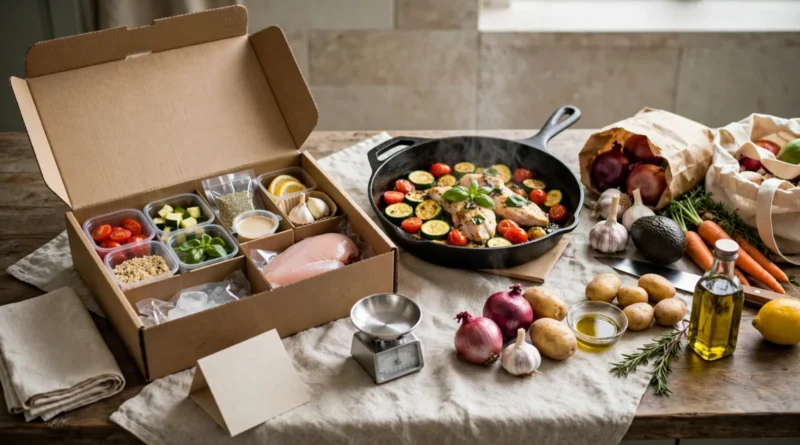
Meal-kit subscriptions deliver measured ingredients and recipes designed to reduce planning and shopping effort. They sit between traditional grocery shopping and restaurant takeout: customers still cook, but much of the decision-making and portioning has already been done. The question is whether those saved steps justify the price premium.
02 What Changed?
Meal kits turned meal planning into a recurring service. Subscribers can choose recipes online, receive scheduled boxes and skip some grocery-store decisions. Many services now offer quick-prep meals, premium recipes and add-ons, making the product broader than the original box of raw ingredients.
The comparison with groceries is not perfectly direct. Grocery purchases often provide leftover ingredients for future meals, while meal kits aim to deliver closer-to-exact portions. That can reduce waste but also means there may be fewer pantry leftovers after dinner.
03 Why It Matters
A meal kit can cost more per serving than buying equivalent ingredients in larger grocery quantities, yet it may cost less than frequent takeout. Its value often lies in the middle: more expensive than efficient home cooking, but potentially easier to sustain for households that otherwise default to restaurants when planning fails.
Food waste also changes the arithmetic. A cheaper grocery basket is not truly cheaper if specialty ingredients are purchased in large packages and much of them is discarded.
04 What It Means for You
Compare meal kits with what they would realistically replace. If they replace carefully planned grocery meals, the subscription may raise spending. If they replace two restaurant deliveries each week, they could reduce it.
Include shipping charges, premium-recipe surcharges and add-ons. Also account for the fact that you still supply cooking time, energy, basic pantry ingredients and cleanup.
Household size matters. Families may achieve better grocery economies by buying staples in larger quantities, while smaller households may benefit more from pre-portioned ingredients that reduce leftovers and spoilage.
05 Numbers + Context
Suppose a meal-kit serving costs $11 and two people receive three dinners per week. That is $66 before any shipping or upgrades. If comparable grocery meals average $6 per serving, groceries would cost about $36, creating a $30 weekly convenience premium. Across 50 weeks, that difference is $1,500.
But if the meal kits replace $25-per-person delivered dinners, three meals for two people would otherwise cost $150 before additional fees. In that comparison, a $66 kit looks very different.
Prices, serving sizes and shipping policies vary by provider, so customers should compare current plans with their own grocery and restaurant spending.
Subscription flexibility matters too. A service that makes skipping weeks simple can fit irregular schedules better than one that turns forgotten deliveries into unwanted food and spending. Convenience loses value quickly when the household is paying for meals it does not have time to cook.
06 Earnyx Takeaway
Meal kits are not primarily a strategy for achieving the absolute lowest food cost. They sell planning, portioning and variety while keeping some of the economics of cooking at home. Their strongest use case is replacing more expensive convenience meals or reducing costly food waste. Compare them with the behavior they actually replace—not an idealized grocery budget you rarely manage to follow. That reveals whether the subscription is a useful bridge to home cooking or simply a premium version of groceries.