Philippine August Inflation May Stay Above BSP Target as Food and Fuel Pressures Persist
Table of Contents
01 Event
The Bangko Sentral ng Pilipinas said headline inflation for August 2026 likely remained between 5.5% and 6.5%, a range that sits entirely above the central bank’s 2% to 4% target. The estimate follows July inflation of 6.2% and reflects continued pressure from food and fuel prices. The BSP pointed to higher rice, vegetable, fruit and fish prices, with unfavorable weather affecting supply, while domestic fuel costs remained elevated. Lower meat prices and reduced electricity rates may have softened some of the pressure, but not enough to bring inflation back inside target.
The estimate matters because inflation is not just a national statistic. It affects how far wages stretch, how much families can save, and how quickly borrowing costs may fall—or rise. With inflation still high, the central bank has less room to relax monetary policy even if economic growth remains weak.
02 What Changed?
Earlier in the year, inflation had shown signs of easing, but the latest BSP range suggests the slowdown may be losing momentum. Weather-related food disruptions have re-emerged as a major risk, while energy costs remain exposed to geopolitical developments and global oil supply. The mix is especially difficult because food and transport are two areas households cannot easily avoid.
The change is also important for expectations. Consumers and businesses often adjust spending when they believe prices will keep rising. Companies may raise prices to protect margins, while households may shift spending toward essentials and postpone discretionary purchases. Once those behaviors become widespread, inflation can become harder to bring down.
03 Why It Matters
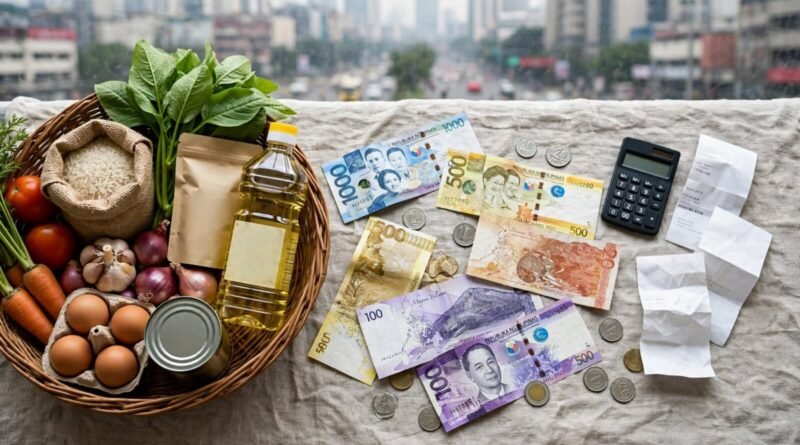
High inflation hits lower- and middle-income households disproportionately because a larger share of their income goes to food, transport, utilities and other necessities. Even when the headline inflation rate falls slightly, the actual peso amount needed for the weekly grocery basket may still be much higher than a year ago.
For businesses, persistent inflation raises wage pressure, logistics costs and financing costs. It can also weaken consumer demand for non-essential products. That combination can squeeze margins from both directions. For investors and borrowers, the bigger question is what the BSP does next. Persistent inflation can keep interest rates higher for longer or increase the risk of additional tightening.
04 What It Means for You
Households should pay more attention to category-level inflation than to the headline rate alone. If your biggest expenses are food, commuting and utilities, your personal inflation rate may be higher than the national average. Track those categories separately and compare month to month instead of relying only on the official headline number.
Borrowers should also be cautious about assuming lower rates are imminent. Credit-card balances, variable-rate loans and new financing may remain expensive if inflation stays above target. For larger purchases, compare the total financing cost rather than focusing only on the monthly payment.
For savers, inflation above 5% means cash that earns little or no interest loses purchasing power quickly. Emergency funds still need to remain liquid, but longer-term cash reserves should be reviewed to make sure they are not sitting indefinitely in accounts that earn far below inflation.
05 Numbers + Context
The BSP’s August estimate is 5.5% to 6.5%. July inflation was 6.2%. The official inflation target remains 2% to 4%. That means even the low end of the August estimate would still be 1.5 percentage points above the top of the target range.
The pressure is broad enough to matter. Rice, vegetables, fruit and fish are staples with high household exposure, while fuel costs feed into transportation and distribution expenses across many other products. Reduced electricity rates and lower meat prices may offer some relief, but they do not eliminate the broader cost-of-living problem.
Related Earnyx coverage: See how oil prices can feed inflation and another regional inflation reading.
06 Earnyx Takeaway
Inflation is most useful when treated as a household budgeting signal, not just an economic headline. The important question is not whether inflation is 5.8% or 6.2%; it is which parts of your budget are rising fastest and whether your income is keeping up. With August inflation likely still above target, the practical move is to protect cash flow, avoid expensive debt where possible and delay assuming that lower interest rates are around the corner.
Another useful way to read the August inflation estimate is to separate temporary shocks from persistent ones. Weather can push vegetables, fish and fruit higher for a few weeks, but fuel costs can spread through the economy for much longer because transport is embedded in almost every supply chain. Rice also carries outsized importance in the Philippine consumer basket, so even modest price increases can materially affect the headline rate and household budgets.
That distinction matters for interest-rate policy. Central banks often try to look through one-off supply shocks, but they become more concerned when higher costs begin influencing wages, service prices and inflation expectations. If businesses believe fuel, rent and imported inputs will remain expensive, they may adjust prices before their own costs rise further. If workers expect living costs to keep climbing, wage demands can also increase. Those second-round effects are harder to reverse.
For households, a practical response is to calculate a personal inflation rate every few months. List the categories that consume most of your income—food, housing, utilities, transport, education and debt payments—and compare what you actually spend now with what you spent six or twelve months ago. That gives a more useful decision tool than a national average because it shows where you may need to renegotiate, substitute or cut back.
It is also worth separating emergency savings from long-term savings. Emergency cash needs safety and immediate access even if its return is below inflation. Longer-term money, however, should be evaluated against inflation because years of low returns can quietly reduce purchasing power. The objective is not to chase risk, but to make sure money intended for five or ten years from now is not treated the same way as money needed next week.
Sources: Bangko Sentral ng Pilipinas inflation guidance reported by The Philippine Star, August 29, 2026; Philippine Statistics Authority July inflation data reported by GMA News.