Exterior Painting Costs: How to Compare Prep, Paint, Access, and the Full Scope
Exterior painting can look simple when reduced to “price per square foot,” but the real cost is driven by preparation, siding condition, height, access, trim complexity, repairs, coating system, and the amount of labor required before the first finish coat goes on.
The useful comparison is not the cheapest painting quote. It is the most complete scope that gives the exterior a reasonable chance of lasting.
Table of Contents
Preparation is often the biggest cost driver
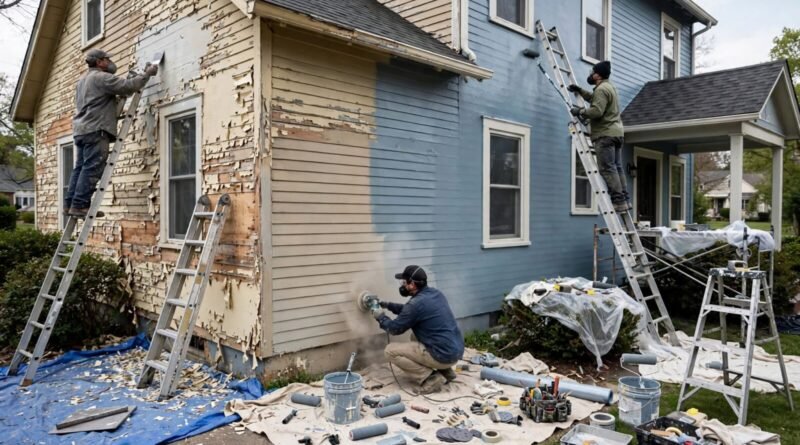
Washing, scraping, sanding, caulking, spot priming, masking, protecting landscaping, and repairing deteriorated surfaces can consume more labor than rolling or spraying paint.
A low quote may assume minimal preparation. A higher quote may include extensive scraping and priming. Those are not the same project.
Surface material changes the scope
Wood, fiber-cement, stucco, masonry, metal, vinyl, and previously painted surfaces each have different preparation and coating requirements.
Ask what products are being used on each surface and whether the coating is compatible with the existing material.
Lead paint can change the job
For homes built before 1978 in the United States, renovation work that disturbs painted surfaces can trigger EPA lead-safe requirements. The EPA’s Renovation, Repair and Painting Program explains requirements for covered contractors and work practices.
Do not compare a compliant lead-safe bid with a cheaper proposal that ignores required containment and cleanup.
Height and access matter
Two-story walls, steep grades, tight side yards, porches, dormers, decorative trim, and difficult ladder or lift access increase labor and equipment needs.
Ask whether scaffolding, lifts, or special access equipment are included.
Repairs should be separated from paint
Rotten trim, damaged siding, open joints, failed caulk, loose boards, or moisture problems should be repaired before coating. Paint can hide defects temporarily without fixing them.
For each proposal, identify which repairs are included and how additional deterioration discovered during preparation will be priced.
A hypothetical quote comparison
Suppose Contractor A quotes $8,000 and Contractor B quotes $11,000. Contractor A includes washing and two finish coats. Contractor B includes scraping failing paint, wood repair, spot primer, caulking, lead-safe containment where required, and two finish coats.
The $3,000 gap is not simply “more expensive paint.” The scopes differ.
These numbers are illustrative.
Paint quality matters, but labor can matter more
A premium coating can be wasted on poorly prepared surfaces. Conversely, a sound preparation process with a compatible mid-tier coating can outperform an expensive product applied over loose or contaminated paint.
Ask about both the product and the preparation standard.
Number of coats should be defined
“Two coats” can mean different things depending on whether primer is counted, whether spray-and-back-roll is used, and whether the color change requires extra coverage.
Write the expected primer and finish-coat sequence into the scope.
Weather affects timing and performance
Temperature, humidity, rain, direct sun, and surface moisture can affect coating application. The manufacturer’s instructions should guide acceptable application conditions.
A contractor rushing through poor weather to maintain schedule can create adhesion problems later.
Color changes can increase labor
Dramatic changes from dark to light, or from light to dark, can require extra coats or special primer. Trim color changes also add masking and cutting work.
Compare bids using the same color plan.
Warranty language needs detail
Ask what the workmanship warranty covers, for how long, and what exclusions apply. Peeling caused by moisture, substrate failure, or building movement may not be covered.
A long warranty headline is less useful than clear written terms.
Insurance and licensing requirements vary
Verify any required local licensing, registration, workers’ compensation, or liability insurance. Exterior work at height creates real safety exposure.
Requirements vary by jurisdiction, so use official local sources.
Do not paint over moisture problems
Peeling near rooflines, windows, decks, or lower siding can be caused by water intrusion rather than poor paint alone.
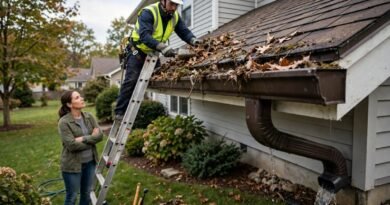
Fix roof, flashing, gutter, drainage, or wall issues before repainting where they are contributing to failure.
Earnyx’s maintenance framework applies
Earnyx’s property maintenance budget guide is useful here: exterior painting should be treated as a planned capital-maintenance item rather than an emergency aesthetic expense.
Normalize painting quotes
Compare:
- surface preparation;
- repairs;
- primer;
- paint brand and product line;
- number of finish coats;
- trim and doors;
- access equipment;
- lead-safe work where applicable;
- cleanup;
- warranty;
- and exclusions.
Bottom line
Exterior painting cost is mostly a labor-and-preparation decision disguised as a paint purchase.
Compare prep, repairs, access, coating system, and warranty before comparing totals. The cheapest quote is poor value if the new finish starts failing because the underlying exterior was never properly prepared.