
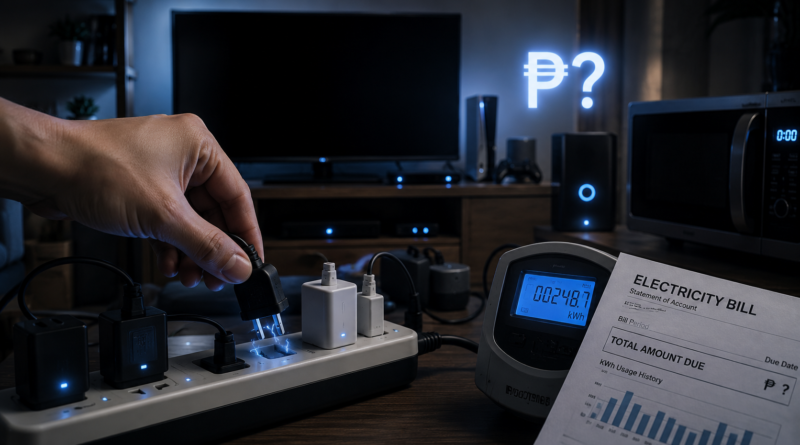
Does Unplugging Appliances Actually Lower Your Electric Bill? Let’s Look at the Numbers
You’ve probably heard the advice: unplug appliances when you’re not using them and watch your electricity bill fall. The first part is true. Many plugged-in devices consume electricity while idle. The better question is whether the savings are large enough to matter.
Table of Contents
01 Event
Standby power—sometimes called vampire power—is the electricity devices use while plugged in but idle, sleeping, or apparently off.
02 What Changed?
Modern electronics have become more efficient, so standby consumption for many newer devices is small. That changes the practical advice from “unplug everything” to “find the devices and clusters that are actually drawing meaningful power.”
03 Why It Matters
The U.S. Department of Energy defines standby power as electricity consumed in low-power or off states and uses a 1-watt-or-less target in federal purchasing guidance where compliant products are available. Australian government guidance says standby can account for up to 3% of household energy use.
That can be worth addressing, but it is easy to spend more effort chasing tiny loads than tackling high-consumption appliances such as air conditioners, water heaters, or inefficient refrigerators.
04 What It Means for You
Do not unplug equipment designed to stay powered, such as refrigerators, security systems, or networking gear you need continuously. Better targets are older entertainment systems, chargers, office equipment, and clusters that spend long periods unused. A switched power strip can make shutting down several devices easier.
If you want certainty, use a plug-in energy meter instead of guessing. Measure idle watts, multiply by idle hours, convert to kilowatt-hours, and multiply by your actual electricity rate.
05 Numbers + Context
Meralco’s July 2026 overall residential rate for a typical household was ₱14.8261 per kWh. Using that rate:
1 watt × 24 hours × 30 days = 0.72 kWh/month.
- 1 W continuously: about ₱10.68/month
- 5 W: about ₱53.37/month
- 10 W: about ₱106.75/month
- 20 W: about ₱213.50/month
The useful insight is scale. A single modern device drawing a fraction of a watt may barely matter. A cluster of older electronics drawing 10–20 watts around the clock is a different story.
06 Earnyx Takeaway
Yes, unplugging can reduce your bill—but the smart move is to measure first and target the real standby loads.
Do not turn energy saving into a ritual where every charger gets unplugged while the biggest loads go untouched. Find the meaningful standby users first, then decide whether the savings justify the inconvenience.
If you are considering a much larger energy investment, compare these small savings with our guide to calculating a realistic solar payback period.
Sources: U.S. Department of Energy standby-power guidance; Australian Government appliance guidance; Meralco July 2026 rate advisory.

Pingback: Is Solar Really Worth It? How to Calculate Your True Payback Period - Earnyx
Pingback: Home Solar Payback Calculator: How Many Years Until Your System Pays for Itself? - Earnyx
Pingback: Meralco Electricity Bill Charges Explained