
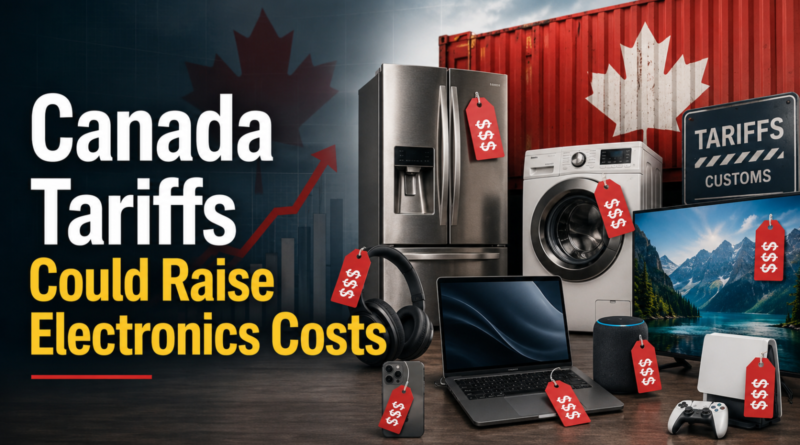
Canada’s New Retaliatory Tariffs Could Raise the Cost of Electronics, Appliances and More
Table of Contents
01 Event
Canada announced a new round of retaliatory tariffs on U.S. goods after trade talks with Washington broke down. Prime Minister Mark Carney said the measures will take effect on September 8 and will target categories including electronics, appliances, dairy products and steel.
02 What Changed?
The move follows new U.S. tariffs of 50% on roughly $20 billion of Canadian exports. Canada is responding with its own duties rather than continuing negotiations under the same terms. That turns a trade dispute into something consumers may eventually feel through higher prices or fewer choices.
03 Why It Matters
Tariffs are paid at the border, but businesses often pass at least part of the added cost downstream. Retailers, manufacturers and distributors may absorb some of it, raise prices, change suppliers or reduce promotions.
04 What It Means for You
Consumers in Canada should watch categories that rely heavily on U.S. supply, especially appliances and electronics. A tariff does not automatically mean every product rises by the full tariff rate, but it can change pricing quickly when inventories turn over.
05 Numbers + Context
Reuters reported that the new U.S. tariffs affect about $20 billion in Canadian goods and that Canada’s countermeasures will begin September 8. The dispute also covers politically sensitive sectors including steel, dairy, clothing, furniture and vehicles.
Source: Reuters
06 Earnyx Takeaway
The real consumer question is not the tariff headline itself but where the cost ultimately lands. If companies can switch suppliers or absorb part of the increase, the impact may stay limited. If they cannot, everyday products can become collateral damage in a trade fight.



Pingback: Canada Imposes Retaliatory Tariffs on U.S. Imports