Expandable Storage: Is a Memory Card Slot Still Worth Having?
Table of Contents
01 Event
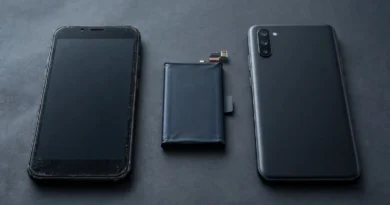
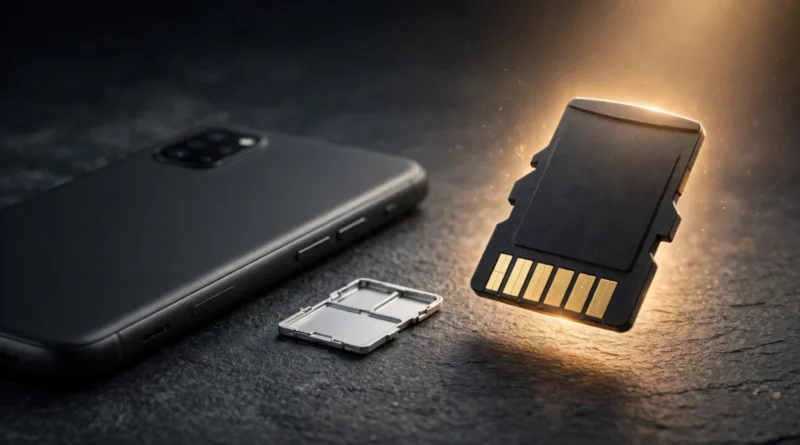
Expandable storage once appeared on many smartphones, but it has become less common on premium models. Where a microSD or similar memory-card slot is available, it can provide a low-cost way to add hundreds of gigabytes without paying the manufacturer’s internal-storage premium. The value, however, depends on what the device actually allows you to store there.
02 What Changed?
Smartphone design has shifted toward sealed devices with fixed internal storage and greater reliance on cloud services. Meanwhile, memory cards have become inexpensive at high capacities. The trade-off is that removable storage may be slower than internal flash memory and some phones restrict where applications, protected downloads or system data can be stored.
03 Why It Matters
A memory-card slot can change the economics of choosing a storage tier. If a phone with 128GB of internal storage accepts a reasonably priced 256GB card, a buyer primarily storing photos, music or video may avoid paying a large premium for the 256GB or 512GB version of the phone. But that calculation fails if the user’s largest storage consumers are apps or data that cannot be moved to the card.
Reliability matters too. Removable media can fail, so important files should not exist only on the card. Expandable storage is capacity, not a substitute for backup.
04 What It Means for You
Check the manufacturer’s documentation before assuming a card slot solves your storage needs. Confirm the maximum supported capacity and which data types can use removable storage. If you record high-resolution video, verify the speed class required by the device. Cheap cards that cannot sustain the necessary write speed can create recording problems.
Buy reputable storage from reliable sellers because counterfeit cards can report capacities they do not actually provide. Keep important photos and documents backed up separately, whether locally or in the cloud.
05 Numbers + Context
Imagine the jump from a 128GB phone to a 256GB version costs $100, while a compatible 256GB memory card costs $30. For a user whose extra capacity is mainly photos and offline media, expandable storage could provide more total space for substantially less money. But if the phone does not allow large games or app data to move to the card, the internal-storage upgrade may still be necessary.
The best references are the device manufacturer’s storage specifications and the memory-card standards published by the SD Association. Check compatibility for the exact phone rather than relying on general assumptions about Android devices or memory cards.
There is also a device-longevity advantage. Removable storage can move from one compatible device to another, so part of the capacity purchase may survive your next phone upgrade. Internal storage is permanently tied to the handset. That does not make a memory card universally better, but it can improve the lifetime value of the storage purchase for users who remain with compatible devices.
Do not pay extra for expandable storage merely because it sounds flexible. First confirm that your real storage bottleneck is content the phone permits you to move.
06 Earnyx Takeaway
Expandable storage is most valuable when your data is flexible: photos, videos, music and files that can live outside internal memory. It is less valuable when apps dominate your storage. A card slot can be a meaningful cost-saving feature, but only if you match its capabilities to the data you actually need to store.