
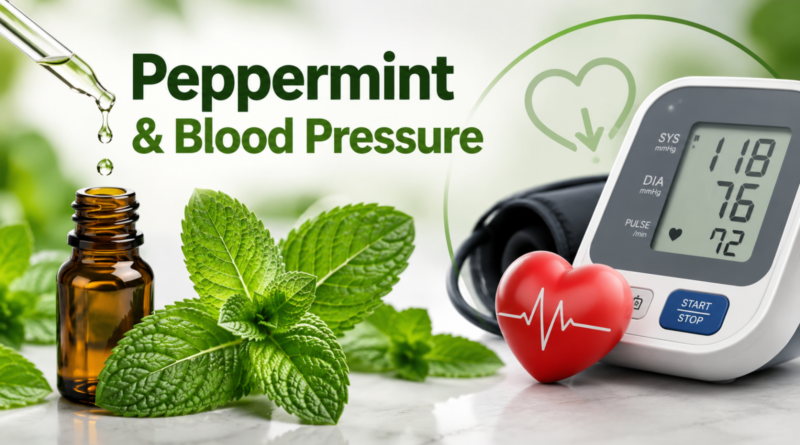
Peppermint Oil Lowered Systolic Blood Pressure by 8.5 mmHg in a Small Trial
Table of Contents
01 Event
A randomized placebo-controlled trial from the University of Lancashire found that adults with mildly elevated blood pressure who took a small dose of peppermint oil twice daily for 20 days saw their systolic blood pressure fall by an average of 8.5 mmHg.
02 What Changed?
Peppermint oil is usually associated with flavor, digestion, or aromatherapy rather than cardiovascular treatment. The study gives researchers a reason to investigate whether its natural compounds could influence blood pressure in a measurable way.
03 Why It Matters
High blood pressure is one of the most important preventable risk factors for heart disease and stroke. A low-cost dietary or supplemental approach would be useful if larger studies eventually confirm a real benefit.
04 What It Means for You
This is not evidence that peppermint oil should replace prescribed blood-pressure medication. The trial included only 40 adults, so the result is promising but still preliminary. People taking medication or managing hypertension should not change treatment based on one small study.
05 Numbers + Context
The study involved 40 adults aged 18 to 65 with prehypertension or stage 1 hypertension. The peppermint-oil group received 100 microliters twice daily for 20 days. Average systolic blood pressure fell by 8.5 mmHg, while the placebo group showed little meaningful change. Source: University of Lancashire via ScienceDaily; journal reference: PLOS One.
06 Earnyx Takeaway
The interesting part is not that peppermint oil has suddenly become a blood-pressure treatment. It is that a cheap, familiar plant product produced a measurable signal strong enough to justify larger human trials. If that result holds up, the eventual value could be in adding another simple tool to blood-pressure management rather than replacing proven medicine.