Does Premium Fuel Give Every Car More Power? The Octane Myth Explained
Table of Contents
01 Event
Premium gasoline is often positioned as the better fuel, leading some drivers to assume that a higher octane number automatically delivers more power, better mileage or a cleaner engine.
02 What Changed?
Octane primarily measures a fuel’s resistance to engine knock. Engines designed for higher compression or specific performance conditions may require or recommend higher-octane fuel, but an engine designed for regular gasoline does not automatically gain meaningful performance simply because premium fuel is added.
03 Why It Matters
Buying a more expensive grade without a vehicle-specific benefit turns the price difference into recurring unnecessary spending.
04 What It Means for You
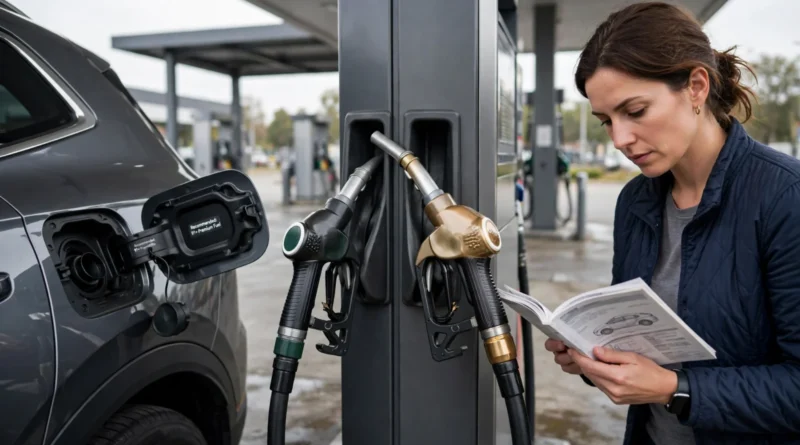
Use the fuel grade specified in the owner’s manual. Pay attention to the difference between “required” and “recommended.” Some vehicles can adjust performance depending on octane, so manufacturer guidance matters more than a universal rule.
05 Numbers + Context
If premium costs $0.60 more per gallon, a 12-gallon fill adds $7.20. Across 30 similar fill-ups, that is $216. Whether that premium buys any benefit depends on the engine, not the label on the pump.
Reference: U.S. Department of Energy and EPA — Octane Recommendations.
06 Earnyx Takeaway
Premium fuel is not universally superior fuel. The financially sensible grade is the one your engine is engineered to use, based on the manufacturer’s requirement or recommendation.