Premium Packaging: How Much Are You Really Paying for Presentation?
Table of Contents
01 Event
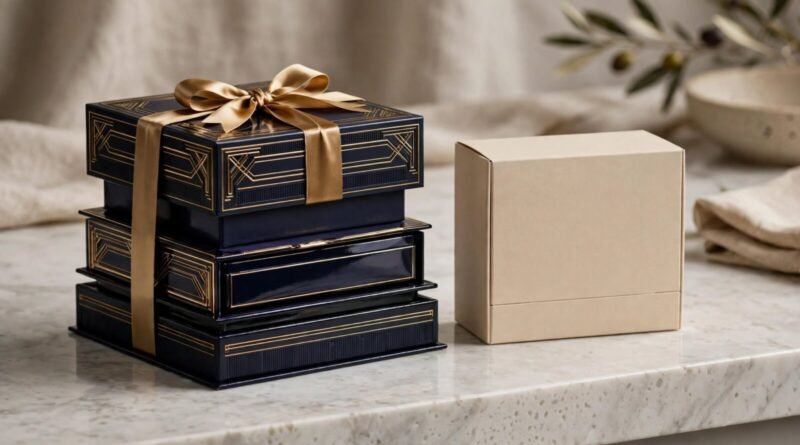
Premium packaging can change how a product feels before you have even used it. Heavy glass bottles, rigid boxes, magnetic lids, fabric pouches, metallic finishes, embossed labels, and elaborate inserts can make an ordinary product appear more valuable. Sometimes that presentation is part of the experience and genuinely matters. Other times, the buyer is paying a meaningful premium for materials that are discarded minutes after opening.
The useful question is not whether premium packaging is attractive. It is how much of the price difference is buying better product performance and how much is buying presentation. If two products perform similarly but one costs substantially more because of the container, box, or unboxing experience, the packaging is effectively a separate purchase.
02 What Changed?
Direct-to-consumer brands and social media have increased the importance of visual presentation. Packaging is no longer only about protecting a product. It can be designed to photograph well, feel luxurious on camera, support gifting, or create a memorable unboxing moment. Retailers also use packaging to separate “premium” lines from standard versions even when the underlying product differences are modest.
That does not make premium packaging automatically wasteful. Better bottles can protect light-sensitive products, sturdy cases can prevent damage, reusable containers can reduce future purchases, and gift-ready packaging can save the buyer from buying separate wrapping. The point is to identify whether the packaging has functional value or mostly emotional value.
03 Why It Matters
Packaging premiums are easy to overlook because they are embedded in the total price. A $12 difference between two products may feel like a quality difference when the real product inside is nearly identical. Across cosmetics, food, fragrances, electronics accessories, gift items, and household products, the packaging can represent a meaningful share of the retail price.
The issue becomes more important for repeat purchases. Paying extra once for a gift may be reasonable. Paying extra every month for a heavy bottle and decorative box you immediately throw away is a recurring cost. If the product offers a refill system, however, the first premium container may become cheaper over time.
04 What It Means for You
Separate the decision into three parts: product quality, packaging utility, and presentation value. Ask whether the container protects the product better, makes it easier to use, can be reused, or replaces another item you would otherwise buy. Then ask whether the appearance itself matters for the intended use. A gift, display item, or luxury experience can reasonably justify presentation. A routine household purchase may not.
Compare refill prices when available. A $40 product in a reusable container with $20 refills may be cheaper over two years than repeatedly buying a $28 disposable version. On the other hand, a premium jar with no refill option simply repeats the packaging cost every time.
Also consider storage and breakage. Large decorative packaging can occupy more space. Heavy glass can feel premium but add shipping weight and create replacement risk. Sometimes the most “luxurious” format is less practical for travel or daily use.
05 Numbers + Context
Imagine two comparable products: Product A costs $24 in a simple recyclable bottle. Product B costs $36 in a heavy glass container and rigid presentation box. If performance is effectively equal, the apparent packaging premium is $12, or 50% above Product A. If you buy four times per year, that presentation difference becomes $48 annually.
Now change the scenario. Product B’s container is reusable and refills cost $20. The first year could cost $36 plus three $20 refills, or $96. Buying Product A four times costs $96 as well. From the second year onward, four refills cost $80, making the premium system cheaper. The packaging only makes economic sense because it changes future cost.
For gifts, include wrapping. If the premium box saves $5 to $10 in separate gift packaging and time, its effective premium is smaller. Context determines whether presentation is an unnecessary markup or a useful feature.
Packaging can also influence how much product is left behind. Pumps, droppers, narrow-neck bottles, sachets, and rigid containers do not always dispense the same proportion of what you paid for. A cheaper refill pouch that lets you use nearly everything may outperform a premium bottle that leaves product trapped at the bottom. For frequently purchased items, that small difference compounds.
Shipping is another hidden part of the premium. Heavy glass and oversized presentation boxes can raise delivery costs, increase the chance of damage, and require more protective material. If the retailer absorbs shipping, those costs may still be embedded in the product price. If you pay shipping directly, compare the delivered cost rather than the shelf price.
Sustainability can matter too, but it should be evaluated practically. A premium container marketed as reusable creates value only if you actually reuse it or buy refills. Keeping one attractive jar while throwing away the next five does not produce the same benefit. The economic and environmental case becomes stronger when the packaging meaningfully reduces future material and purchase cost.
For gifts, presentation may legitimately be part of the product. A rigid box, protective insert, or attractive bottle can replace separate wrapping and improve the recipient’s experience. In that setting, the packaging should be compared with what you would otherwise spend on presentation, not dismissed as pure waste. The same packaging on a routine personal purchase may have almost no practical value.
06 Earnyx Takeaway
Premium packaging is not automatically a rip-off, but it should be priced mentally as its own feature. Ask what the packaging actually does after the purchase. Protection, reuse, refills, gifting, and convenience can create real value. Decorative materials that go directly into the trash create mostly perceived value.
If the premium presentation makes you enjoy the product more and that experience matters, paying extra can still be rational. The key is knowing that you are buying presentation intentionally rather than mistaking it for better underlying quality. Know what it’s really worth.