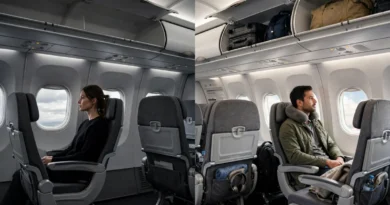
Carry-On Only vs Checked Bag: How Much Can You Really Save?
Table of Contents
01 Event
Airfare is only the starting price of many trips. Baggage can turn a cheap ticket into a much more expensive booking, especially when fees apply in both directions or when a bag is overweight.
02 What Changed?
Airlines increasingly separate the base fare from optional services. The U.S. Department of Transportation requires airlines to make baggage and other optional-service fees available to travelers, but the amount still varies by carrier, route, fare class and bag size.
03 Why It Matters
A checked bag fee that looks small once can become a meaningful trip cost when multiplied by two directions and several travelers. Packing lighter can save money, but it can also create trade-offs if you end up buying toiletries, clothing or other items after arrival.
04 What It Means for You
Price the entire round trip before deciding. Check the fee for the first checked bag in both directions, any carry-on restrictions tied to your fare, and the cost of overweight or oversized luggage. If two people can share one checked bag, the math can be better than paying for two separate bags.
05 Numbers + Context
DOT says airlines must disclose baggage fees and maintain a central place on their websites for ancillary charges. Source: U.S. DOT baggage and optional fees guidance.
Illustrative example: a $35 checked-bag charge each way is $70 for one traveler. For a family of four, that can reach $280 before overweight charges. If packing carry-on only forces you to buy $50 of items at your destination, the net savings is smaller than the headline baggage fee suggests.
06 Earnyx Takeaway
Carry-on only is most valuable when it genuinely replaces a checked bag without creating new costs or stress. Compare the full round-trip baggage bill with the inconvenience and replacement purchases required to travel lighter. The cheapest packing strategy is the one that minimizes total trip cost, not simply airline fees.