Heat Pump Water Heater vs Standard Electric: Is the Upgrade Worth It?
Table of Contents
01 Event
Water heating is one of the biggest recurring energy costs in many homes, and heat pump water heaters promise much lower electricity use than standard electric-resistance tanks. The tradeoff is a higher purchase price and more installation requirements.
02 What Changed?
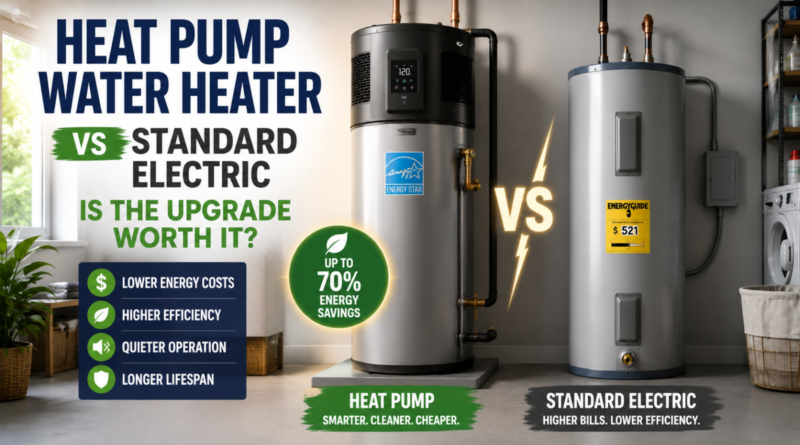
Instead of creating heat directly, a heat pump water heater moves heat from the surrounding air into the tank. That can make it two to three times more efficient than conventional electric resistance, but the unit needs suitable space, airflow and temperature conditions.
03 Why It Matters
The savings repeat every day because hot water is used for showers, dishes and laundry. That gives efficiency upgrades more opportunity to repay their upfront premium than appliances that run only occasionally.
04 What It Means for You
Compare the installed price difference, your electricity rate, household hot-water use and expected ownership period. Also check whether the installation area has enough air volume and whether noise, drainage or cooler exhaust air will be a problem.
05 Numbers + Context
U.S. Department of Energy guidance says heat pump water heaters can be two to three times more efficient than conventional electric-resistance models. DOE field research has also cited roughly 60% lower annual energy consumption in typical comparisons. Sources: https://bsesc.energy.gov/energy-basics/hvac-heat-pump-water-heaters and https://www.energy.gov/cmei/buildings/articles/heat-pump-water-heaters-achieve-significant-peak-reduction-and-energy
06 Earnyx Takeaway
This is the kind of upgrade where lifetime operating cost matters more than sticker price. A heat pump water heater is strongest when electricity is expensive, hot-water use is high and you expect to keep the unit long enough to recover the premium. If those conditions are weak, efficiency alone does not guarantee value.