
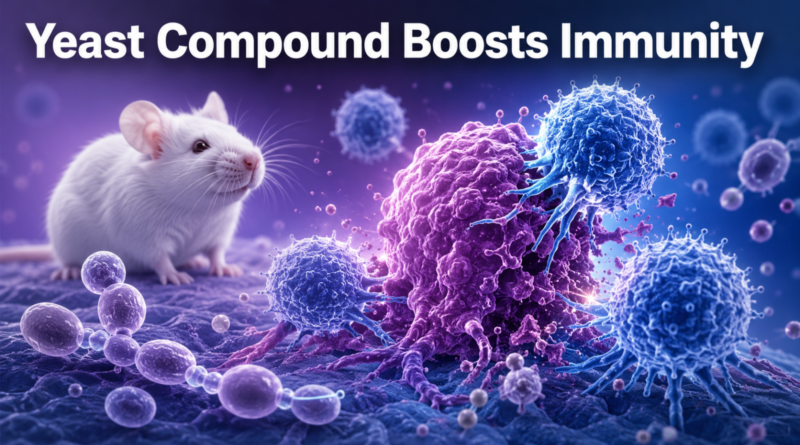
A Yeast-Based Supplement Boosted Cancer-Fighting Immunity in Mice
Table of Contents
01 Event
Researchers from Trinity College Dublin and collaborators report that a yeast-derived beta-glucan supplement strengthened anti-cancer immune responses in mice. The work suggests a nutritional compound may be able to “train” parts of the innate immune system, but it has not yet been shown to treat cancer in people. Source: Trinity College Dublin via ScienceDaily.
02 What Changed?
The researchers found that beta-glucan altered early immune cells in bone marrow, leading to stronger and longer-lasting responses when the animals encountered cancer cells. The effect was reported across models involving colorectal, skin and breast cancer.
03 Why It Matters
Cancer can suppress or exhaust immune responses, and modern immunotherapies try to restore the body’s ability to recognize and attack tumors. If a safe nutritional compound can meaningfully influence that process, it could eventually become useful as a supportive strategy alongside established treatments.
04 What It Means for You
This is not evidence that yeast supplements prevent or cure cancer in humans. The study was conducted in mice, and doses, safety, effectiveness and interactions with cancer treatment would all need rigorous human testing before any clinical recommendation could be justified.
05 Numbers + Context
The researchers observed stronger immune activity across several mouse cancer models and traced part of the effect to changes in bone-marrow immune-cell development. Beta-glucans are already found in yeast and some foods, but a research-grade intervention is not the same as an over-the-counter supplement.
06 Earnyx Takeaway
This is the kind of good-news science worth watching carefully: an inexpensive biological compound produced a potentially useful immune effect, but the leap from mice to patients is enormous. The next milestone that matters is human evidence.