Does Closing Vents in Unused Rooms Really Save Energy?
Table of Contents
01 Event
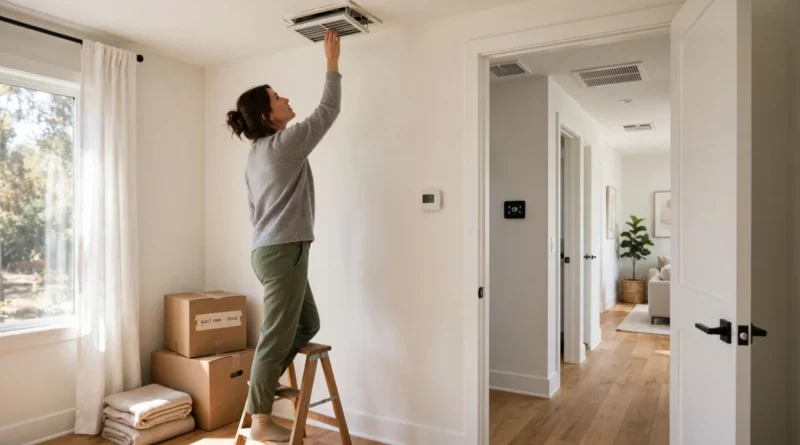
Homeowners are often told to close supply vents in rooms they rarely use so the heating or cooling system can focus on occupied areas.
02 What Changed?
Many central forced-air HVAC systems are designed around a particular airflow and pressure range. Closing too many vents can increase duct pressure rather than proportionally reducing the system’s workload.
03 Why It Matters
Reduced airflow can undermine comfort and efficiency and, depending on the system, contribute to equipment or duct problems. A closed register is not the same thing as a professionally designed zoned HVAC system.
04 What It Means for You
Avoid treating vent closure as a universal energy-saving strategy. Address unused rooms through appropriate thermostat settings, insulation, air sealing or properly designed zoning where suitable. Follow the equipment manufacturer’s guidance and consult an HVAC professional for system-specific changes.
05 Numbers + Context
The U.S. Department of Energy emphasizes whole-home measures such as air sealing, insulation, efficient equipment and proper duct performance. HVAC savings depend on the building, climate and system design, so a simple closed-vent rule cannot reliably predict savings.
Reference: U.S. Department of Energy — Ducts.
06 Earnyx Takeaway
Closing vents may feel like shutting off energy to one room, but central HVAC is a system. Optimize the system as a whole rather than assuming fewer open registers automatically means a lower bill.