
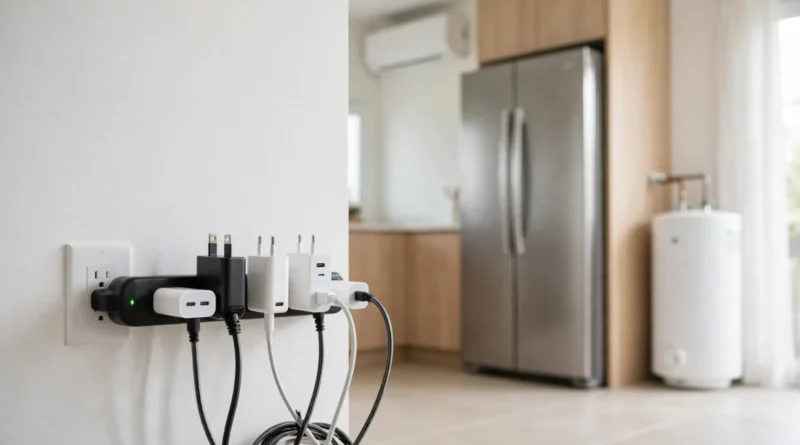
Do Plugged-In Chargers Waste a Meaningful Amount of Electricity?
Table of Contents
01 Event
People are often told that every phone or laptop charger left plugged into the wall is quietly adding a significant amount to the electricity bill.
02 What Changed?
Chargers and power adapters can consume electricity while connected without actively charging a device, known as no-load or standby power. Modern external power supplies, however, are designed under increasingly strict efficiency standards that limit this consumption.
03 Why It Matters
The myth mixes a real phenomenon with an exaggerated conclusion. Standby power exists, but the cost of one modern idle phone charger can be much smaller than household loads such as heating, cooling, water heating or continuously operating appliances.
04 What It Means for You
Unplugging unused equipment is still reasonable, especially for safety, clutter reduction or multiple older adapters. But prioritize the largest energy loads first if your goal is reducing the electricity bill.
05 Numbers + Context
The U.S. Department of Energy sets efficiency requirements for external power supplies, including no-load performance. Actual idle consumption varies by charger design and age, so measuring with an electricity monitor gives the clearest device-specific answer.
Reference: U.S. Department of Energy — External Power Supplies.
06 Earnyx Takeaway
An idle charger is not literally free, but neither should it distract from the appliances that dominate household energy use. Fix the big loads first, then chase the small standby losses.