
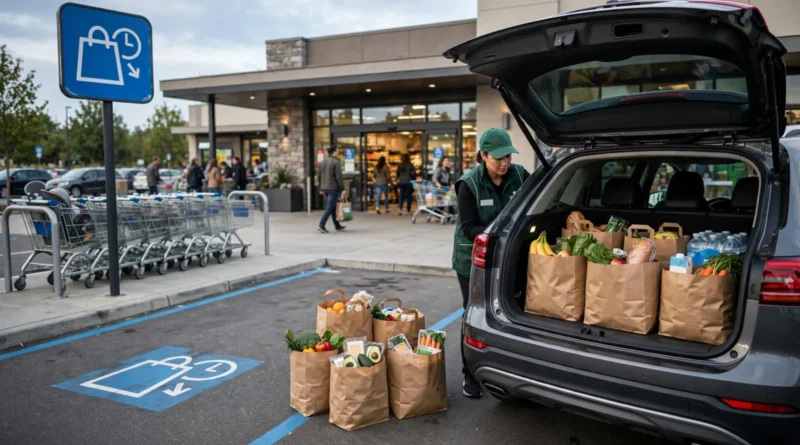
Curbside Pickup Costs: When Convenience Saves Money—and When It Does Not
Table of Contents
01 Event
Curbside pickup sits between shopping in person and paying for full delivery. It can save time and reduce wandering through the store, but it is not automatically free just because no driver brings the groceries to your door.
02 What Changed?
The real cost depends on how the retailer structures the service. Some stores offer pickup at no extra charge, while others use minimum order requirements, service fees, membership benefits, or different online pricing. Substitutions can also change the final total if a lower-cost item is unavailable.
There is also a behavioral effect: ordering from a screen can make it easier to stick to a list and harder to add checkout-line extras.
03 Why It Matters
Pickup can be cheaper than delivery even when it has a small fee, especially if it replaces an hour of shopping or reduces impulse purchases. But a customer who spends extra just to reach a minimum order threshold may erase the benefit.
04 What It Means for You
Compare four things: item prices, pickup fee, minimum order, and substitution rules. Then compare the total with what you normally spend in-store—not with an idealized basket where you never make an impulse purchase.
05 Numbers + Context
If pickup costs $4 but prevents $10 of unplanned purchases, the service may save money overall. If it requires adding $18 of products you did not need to reach a minimum, it clearly does not. The relevant number is total basket cost, not the service fee in isolation.
Reference: Federal Trade Commission — Online Shopping Guidance.
06 Earnyx Takeaway
Curbside pickup is worth evaluating as a spending tool, not just a convenience feature. It can reduce time and impulse buying, but only if fees and order requirements do not push the total higher.