Fresh Herbs vs Dried Herbs: Which Costs Less Once Waste Is Included?
Table of Contents
01 Event
Fresh herbs often feel like the better cooking choice, while dried herbs look like the budget option. In reality, the better value depends on how much flavor you need, how often you cook with the ingredient, and how much of the package gets used before it deteriorates.
02 What Changed?
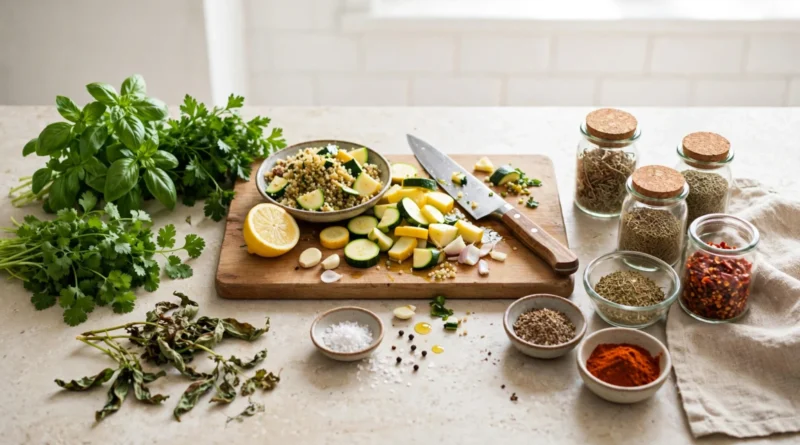
Fresh and dried herbs are not perfect substitutes. Dried herbs are more concentrated, last much longer, and are easy to keep on hand. Fresh herbs can provide texture and bright flavor that dried versions cannot reproduce in every dish.
The financial question is therefore not simply “Which package is cheaper?” It is “How much usable flavor do I get before the product is gone or wasted?”
03 Why It Matters
Fresh herbs are frequently sold in bunches larger than one recipe requires. If most of a $3 bunch is discarded, the effective cost of the portion you actually used can be surprisingly high. A small jar of dried herbs may cost more upfront but serve dozens of meals.
04 What It Means for You
Buy fresh when the herb is central to the dish, you expect to use the rest within several days, or you can freeze or repurpose the excess. Use dried herbs for recipes where long cooking softens the flavor difference and for ingredients you use only occasionally.
05 Numbers + Context
Suppose a $3 fresh bunch provides six usable portions but you consume only two before the rest spoils. Your effective cost is $1.50 per used portion. A $4 dried jar used 20 times costs about $0.20 per use. That does not mean dried is always better—it shows why waste belongs in the comparison.
Reference: FoodSafety.gov — FoodKeeper Storage Guidance.
06 Earnyx Takeaway
Fresh herbs win when freshness materially improves the dish and you can use the package. Dried herbs win when convenience, shelf life, and low waste matter more. The cheapest option is the one you actually finish.