Refurbished Smartphones: When Buying Reconditioned Is Worth It
Table of Contents
01 Event
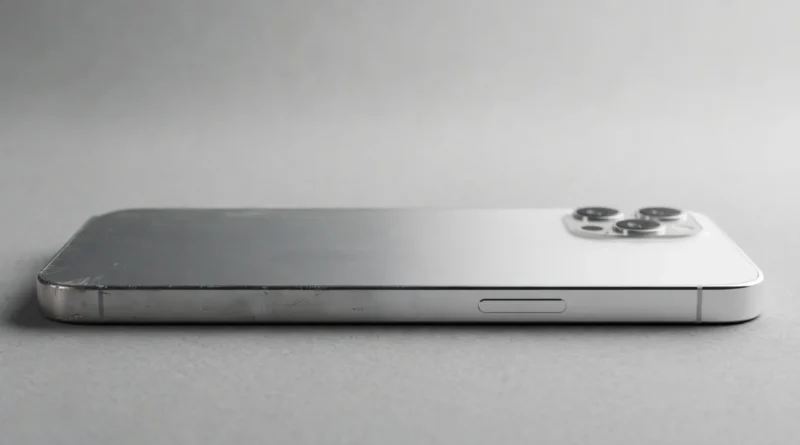
Refurbished smartphones sit between buying new and taking a chance on an ordinary used device. They can offer substantial savings, particularly on models that were premium phones only a generation or two ago. But “refurbished” is not a universal quality grade. What was inspected, repaired, replaced and guaranteed depends heavily on the seller and refurbishment program.
02 What Changed?
The refurbished market has become more organized as manufacturers, carriers and specialist retailers created formal programs for returned and previously owned devices. A properly refurbished phone may be tested, cleaned, reset and repaired before resale. Some programs replace defective parts and provide a limited warranty. Others use the term more loosely, making seller standards important.
Longer software-support periods on newer smartphones also improve the economics. A two-year-old device with several years of security support remaining can have a much longer useful life than an older model approaching the end of updates.
03 Why It Matters
The headline discount is only one part of the decision. A cheap refurbished phone with a degraded battery, weak warranty or little software support can become expensive if it needs immediate repair or early replacement. Conversely, a well-supported model with verified condition can deliver much of the experience of a new device while avoiding the initial new-product premium.
Refurbished purchases also reduce the amount of new hardware required for each buyer, extending the useful life of electronics that might otherwise sit unused or enter the waste stream.
04 What It Means for You
Before buying, verify the seller’s condition grading, return window, warranty, battery policy, network compatibility and activation status. Confirm that important functions such as cameras, microphones, charging, biometric sensors and wireless connectivity have been tested. Check whether accessories are original, replacements or excluded.
Software support deserves equal attention. Find the exact model and determine how long the manufacturer expects to provide security updates. A newer midrange refurbished device may be a better long-term purchase than an older flagship with a more prestigious original price.
05 Numbers + Context
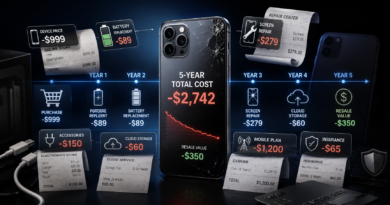
Imagine a current new phone costs $800 while a reputable refurbished version of a recent model costs $520. The immediate difference is $280, or 35%. If the refurbished phone lasts three years, its purchase cost is about $173 per year. If a weak battery forces a $100 replacement, that rises to roughly $207 per year, still below the $267 annual cost of keeping the $800 phone for three years.
Consumer-protection agencies such as the U.S. Federal Trade Commission provide guidance on warranties and shopping for used goods, while manufacturer support pages can confirm update eligibility. Seller-specific warranty terms should always be checked before purchase.
Also compare the refurbished price with current promotions on new phones. A large percentage discount from an old launch price can look impressive even when a newer device is selling for only slightly more. The relevant comparison is what you can buy today for the same money, not what the refurbished model originally cost.
06 Earnyx Takeaway
A refurbished smartphone is valuable when the discount survives a quality check. Focus on remaining software life, battery condition, warranty and seller reputation rather than the original retail price. A properly refurbished recent model can be one of the most efficient ways to buy capable smartphone hardware without paying new-device pricing.