Underinflated Tires: Estimating the Fuel Cost of Neglected Tire Pressure
Table of Contents
01 Event
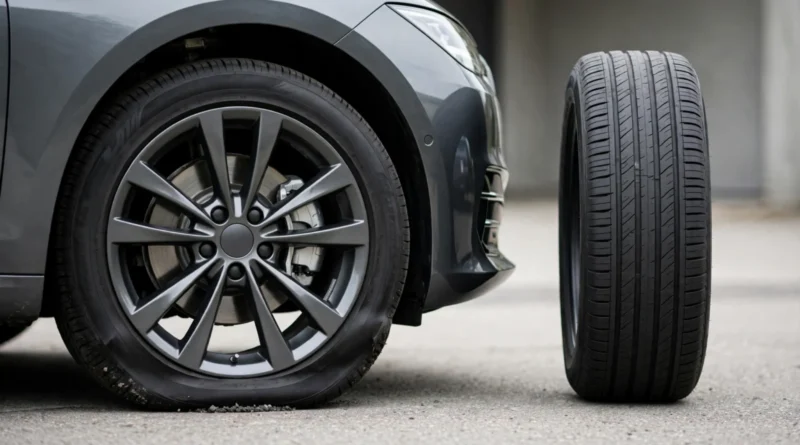
Tire pressure changes gradually and often without obvious symptoms. A vehicle can still drive normally while one or more tires are below the recommended cold pressure. That makes underinflation easy to ignore, yet the engine must work against additional rolling resistance while the tires may also wear faster and handle differently.
02 What Changed?
Tire-pressure monitoring systems have made severe underinflation easier to detect, but a warning light is not a substitute for routine checks. Systems are generally designed to alert drivers when pressure is significantly low; they do not necessarily tell you that every tire is at the ideal specification for efficiency, wear and load.
Pressure also changes with temperature. A tire correctly inflated during warm weather can read lower as ambient temperatures fall, even without a leak.
03 Why It Matters
Fuel is only one part of the cost. Underinflated tires can increase rolling resistance, accelerate uneven wear and affect braking or handling. Saving a few minutes by skipping pressure checks can therefore create expenses in both fuel and tire replacement.
The correct target is the vehicle manufacturer’s recommended cold tire pressure, usually printed on a placard in the driver’s door area or listed in the manual—not the maximum pressure molded into the tire sidewall.
04 What It Means for You
Check pressures when the tires are cold using a reliable gauge, particularly before long trips, heavy loads or major seasonal temperature changes. Inflate to the vehicle specification and investigate a tire that repeatedly loses pressure rather than continuously topping it up.
Do not intentionally overinflate tires to chase fuel economy. Excess pressure can affect ride, grip and wear. The goal is correct pressure for the vehicle and load.
05 Numbers + Context
Suppose a driver spends $1,600 per year on fuel. If chronic underinflation increased consumption by even 2%, that would represent about $32 per year. The fuel number alone is not dramatic, but combine it with shortened tire life and the economics become more meaningful. A set of tires can cost hundreds of dollars, so avoiding abnormal wear may be more valuable than the fuel savings.
The U.S. Department of Energy notes that properly inflated tires can improve fuel economy, while the National Highway Traffic Safety Administration provides tire-safety guidance. Exact effects depend on how far pressure is below specification, the tires, vehicle and driving conditions.
Make the calculation using your own annual fuel spending: multiply annual fuel cost by the estimated percentage change. This converts a vague efficiency claim into a household-budget number.
Pressure checks are especially worthwhile for vehicles that sit for long periods. Slow leaks can develop unnoticed, and a car driven infrequently may not accumulate enough trips for the driver to notice a gradual change in behavior. Before returning an occasionally used vehicle to regular service, tire pressure belongs on the basic checklist.
Keep the cost perspective sensible: do not buy expensive gadgets solely to chase tiny fuel savings if a simple quality gauge already solves the problem. The value comes from maintaining the tires consistently, not from turning pressure monitoring into another accessory category.
06 Earnyx Takeaway
Tire pressure is a rare maintenance item that touches fuel economy, tire life and safety at the same time. The fuel savings from correcting a small pressure error may be modest, but the check is inexpensive and the broader benefits are real. Maintain the pressure the vehicle was engineered to use rather than waiting for the warning light to manage your tires for you.