Using a Mobile Hotspot as Home Internet: When Does It Make Sense?
Table of Contents
01 Event
A smartphone hotspot or dedicated mobile hotspot can provide internet to laptops, televisions and other devices without a conventional home broadband subscription. For light users, travelers, temporary housing or households already paying for a generous mobile plan, that raises an appealing possibility: eliminate a separate internet bill. The savings are real only when the mobile connection can handle the household’s data volume and reliability needs.
02 What Changed?
Mobile networks have become much faster, and many phones can share 4G or 5G connections over Wi-Fi. Dedicated hotspot devices can support more clients and may offer better antennas or battery life. At the same time, mobile plans often treat hotspot data differently from data consumed directly on the phone. High-speed tethering allowances, throttling and network-management rules can therefore determine whether the setup works as a broadband replacement.
03 Why It Matters
Dropping a $60 or $80 home internet bill can save hundreds of dollars per year. But a household that exhausts its high-speed hotspot allowance in a few days may end up with slow service or expensive add-ons. Streaming video, game downloads, operating-system updates and cloud backups can consume far more data than ordinary browsing.
Using a phone continuously as the household router can also add heat, charging cycles and inconvenience. Incoming calls and taking the phone away from home can interrupt connectivity for everyone else.
04 What It Means for You
Check your mobile plan’s hotspot-specific terms, not merely its “unlimited data” headline. Determine how much high-speed tethering is included, what happens after the allowance, whether video is restricted and how many devices can connect.
Estimate household data use from your existing broadband account if that information is available. A single person who browses, works lightly and streams occasionally has a very different profile from a family streaming multiple televisions and downloading large games.
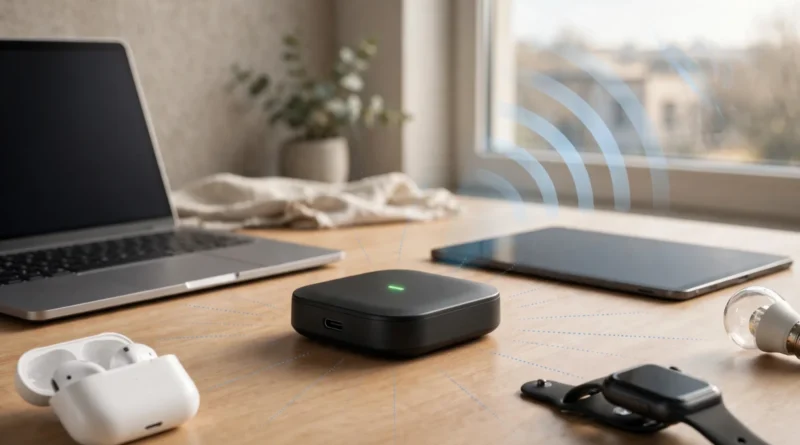
If you want mobile internet as a permanent replacement, consider a dedicated hotspot or purpose-built fixed-wireless product rather than leaving a phone plugged in continuously. Test signal and performance during peak periods.
05 Numbers + Context
Suppose home broadband costs $70 per month, or $840 per year. Adding a mobile-plan option with sufficient hotspot data costs an extra $25 per month, or $300 per year. The theoretical saving is $540 annually. But if additional data passes cost $20 in four months of the year, savings fall to $460. Hardware purchases can reduce the first-year benefit further.
Video can consume several gigabytes per hour depending on resolution, so high-quality streaming can exhaust modest hotspot allowances quickly. Use your carrier’s current tethering policy and your own measured data consumption as primary references.
Think about the failure mode as well. If the phone providing internet leaves the house, loses battery or enters a poor-signal area inside the building, every connected device loses service. A dedicated home connection separates personal mobility from household connectivity. That separation can be worth paying for when several people depend on the network.
Security and administration also matter. Use a strong hotspot password, keep the device software updated and review which devices are connected. A temporary hotspot used casually in public or shared settings should not become an unmanaged permanent network.
06 Earnyx Takeaway
A mobile hotspot can be a smart home-internet substitute for low-data users and temporary situations. It becomes less attractive as simultaneous devices, streaming and large downloads grow. Calculate savings against the hotspot allowance you actually receive, then test signal and consistency before cancelling a stable wired connection.