
Are Premium Cinema Formats Worth the Extra Ticket Price?
Table of Contents
01 Event
Cinema operators increasingly sell more than a standard seat and screen. Premium large-format auditoriums, laser projection, enhanced sound systems and other upgraded presentations can add a noticeable surcharge to the same movie. For consumers, the question is whether that extra charge buys a meaningfully better experience or simply a more expensive ticket.
02 What Changed?
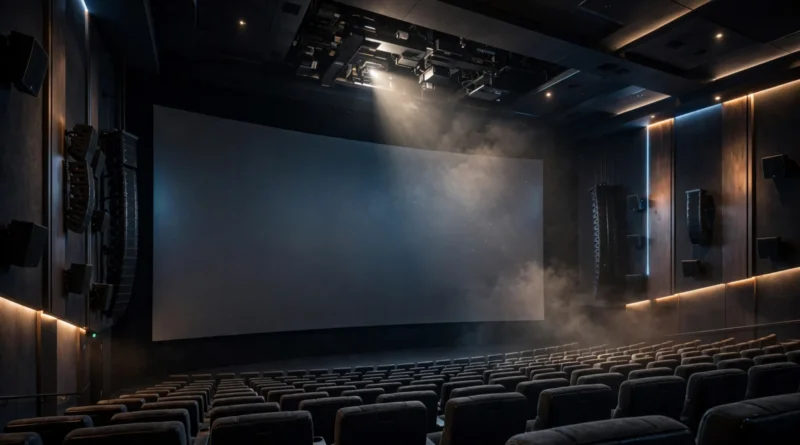
Theater chains have invested heavily in differentiated auditoriums as home televisions have become larger and better. The result is a growing menu of formats with different screen sizes, projection technologies, sound systems and seating arrangements. Not every movie, however, benefits equally from those upgrades.
A visually ambitious action film may use the scale and sound of a premium auditorium much more effectively than a dialogue-heavy drama or comedy. Even within the same branded format, auditorium specifications can differ by location, so the label alone does not guarantee an identical experience everywhere.
03 Why It Matters
A premium surcharge can look small in isolation but becomes significant across multiple tickets. If a standard seat costs $14 and the premium version costs $20, a family of four pays an additional $24 before buying food, parking or other extras.
The decision therefore depends on both the film and the audience. Paying extra for every theater visit can turn a modest entertainment habit into a substantial annual expense. Reserving premium formats for movies designed to exploit them can preserve the experience while reducing unnecessary spending.
04 What It Means for You
Before upgrading, check what the specific auditorium actually offers. Look for meaningful differences such as screen size, projection quality, aspect ratio, brightness and audio system rather than assuming the word “premium” tells the entire story.
Also consider where you normally sit. A huge screen provides less benefit if the available seats force an uncomfortable viewing angle. Conversely, a well-positioned standard auditorium may deliver better subjective value than poor seats in a premium room.
Finally, match the format to the film. Large-scale cinematography, spectacle and immersive sound are stronger candidates for an upgrade. Smaller films may not justify the same surcharge.
05 Numbers + Context
Consider a hypothetical $6 premium-format surcharge. For one person attending six specially selected movies a year, the additional annual cost is $36. For a family of four upgrading twice a month, that same surcharge becomes $576 a year. The identical upgrade can therefore be a small indulgence or a major recurring expense depending on frequency and party size.
Consumers can verify format specifications and current pricing through individual theater operators and the companies behind branded cinema technologies. Ticket prices are highly location-specific, so the useful number is the difference between the standard and premium showing at the same theater and time.
06 Earnyx Takeaway
Premium cinema works best as a selective upgrade, not an automatic purchase. The value comes from matching a movie that benefits from scale and sound with an auditorium that actually provides a meaningful technical improvement. Compare the surcharge, multiply it by everyone attending, and ask whether this particular film will use what you are paying for. When the answer is yes, premium cinema can be a worthwhile experience. When it is not, the standard screen may deliver nearly all of the entertainment for less.


