EV vs Gasoline Car Purchase Price: Is the Higher Upfront Cost Worth It?
Table of Contents
01 Event
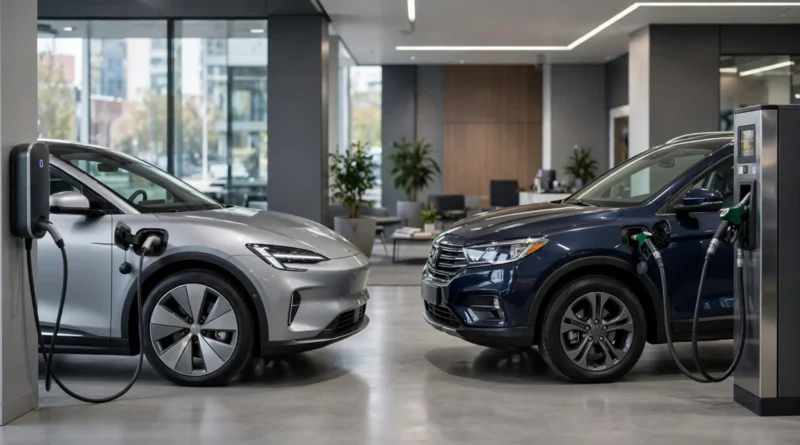
Electric vehicles have moved from niche products into mainstream car shopping, but the first number buyers usually notice is still the sticker price. In many segments, an EV can cost more upfront than a similarly sized gasoline car. That makes the purchase decision look straightforward until incentives, financing, fuel savings, maintenance and expected ownership period are considered.
02 What Changed?
Battery costs have fallen over time, more manufacturers now offer mass-market EVs, and some governments provide tax credits or rebates. At the same time, gasoline models remain widely available across more price points, especially in the used market. The result is that the gap between EV and gasoline purchase prices varies enormously by model, location and incentive eligibility.
Financing also matters. A higher sticker price can create a larger loan balance and more interest expense, even if the EV eventually saves money on energy and maintenance.
03 Why It Matters
Consumers often compare only monthly payment or purchase price and ignore total ownership economics. That can make an EV look automatically expensive or automatically economical, depending on which number is emphasized.
The right question is not simply which vehicle costs less on day one. It is whether the additional upfront cost is likely to be recovered during the time you expect to own the vehicle.
04 What It Means for You
Compare two vehicles with similar size, safety, equipment and intended use. Start with the negotiated purchase price after any incentives you actually qualify for. Then add taxes, registration and financing costs.
Next, estimate annual energy use based on your mileage, expected EV efficiency, electricity rate and gasoline price. Include home-charging installation if needed. Maintenance, insurance and depreciation should also be considered because they can offset or reinforce the energy savings.
Be conservative with future assumptions. Fuel and electricity prices change, incentives can expire, and resale values vary. A purchase should still make sense under reasonably cautious estimates.
05 Numbers + Context
Suppose a gasoline car costs $30,000 and a comparable EV costs $36,000 after incentives. The initial gap is $6,000. If the EV saves $900 per year in fuel and routine maintenance, it would take roughly 6.7 years to recover the difference before considering financing, insurance and depreciation.
If the buyer drives more, charges cheaply at home and qualifies for stronger incentives, the break-even period can shorten. If public fast charging is used heavily or annual mileage is low, it may lengthen.
Useful references include current manufacturer pricing, local electricity tariffs, fuel prices, government incentive programs and EPA or equivalent efficiency ratings. These inputs should be updated for the buyer’s actual market.
06 Earnyx Takeaway
An EV does not need to be cheaper on the showroom floor to be the better financial choice, but the higher upfront price must be justified by the savings and benefits that follow. Calculate the purchase-price gap first, then estimate how long it takes to recover. If you expect to keep the vehicle beyond that point and your charging situation is favorable, the premium can make sense. If not, the lower-cost gasoline car may remain the stronger value.