AI Function Calling Explained: How Models Use External Tools and Software
Large language models are good at generating text, but text alone cannot check an order, update a calendar, query a database or send information to another application. Function calling is one of the main techniques developers use to bridge that gap. It lets a model request a specific software function with structured arguments, while the application remains responsible for deciding whether and how that function actually runs.
Table of Contents
01 What It Is
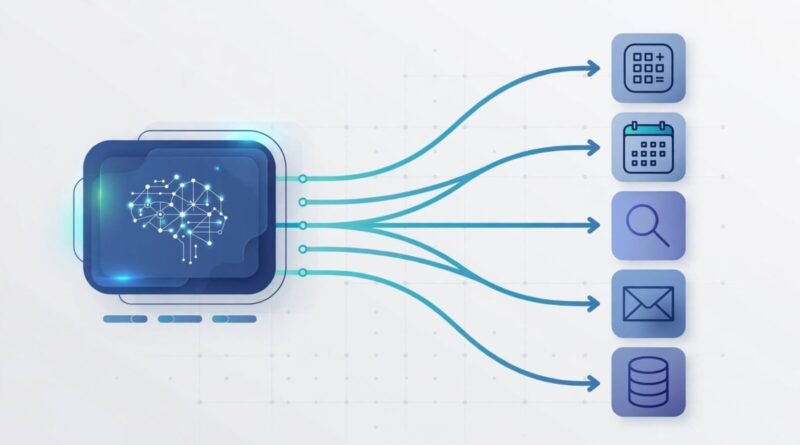
Function calling gives an AI model a menu of operations it can ask an application to perform. Each function usually has a name, description and structured definition of the inputs it accepts. A weather application might expose a function that accepts a city. An ecommerce assistant might expose functions for checking inventory, finding an order or starting a return.
The model does not magically gain direct access to the underlying database or API. Instead, it produces a structured request that says, in effect, “use this function with these arguments.” The surrounding application validates that request, runs the code if appropriate, and can return the result to the model so it can continue the conversation.
This distinction is important. The language model proposes the tool call; the application owns execution. That separation gives developers a place to enforce permissions, validate inputs and require user approval.
02 How It Works
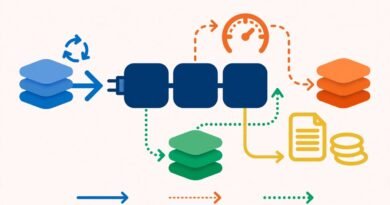
A typical flow has several steps. First, the application sends the model a user request together with descriptions of the functions that are available. Second, the model decides whether it can answer directly or whether a tool is needed. If it chooses a tool, it generates structured arguments. Third, the application checks those arguments and executes the real function. Finally, the function result can be sent back to the model so it can explain the outcome to the user.
Modern APIs commonly describe function inputs using JSON Schema or a similar structured definition. Strict schema options can reduce malformed arguments by requiring outputs to match expected fields and types. That improves reliability, but schema compliance does not guarantee that the requested action itself is correct. A model can produce perfectly valid JSON for the wrong customer, wrong date or wrong transaction.
Function calling therefore works best when the software layer treats model output as a proposal rather than trusted code. High-impact operations should be validated against business rules before execution.
03 Why It Matters
Function calling turns AI from a text generator into a component that can participate in workflows. An assistant can search live data rather than relying only on what the model learned during training. It can calculate using a real service, retrieve customer information, create a support ticket or trigger another system.
That is the foundation of many so-called AI agents. Earnyx has examined AI agents that can send emails and initiate payment-related actions. The useful part is not simply that the model can write an email. It is that software can expose a controlled function for sending one and let the model request it when appropriate.
Function calling also makes AI applications easier to audit. A structured tool call can be logged with the selected function, arguments, timestamp and result. That is much easier to inspect than asking developers to infer what happened from free-form generated text.
04 What It Means for You
For consumers, function calling is why an assistant may be able to check current information or perform an action instead of merely giving instructions. But you should still distinguish between an AI suggesting something and a connected system actually doing it.
For businesses, the key design question is permissions. A support assistant might be allowed to read an order but not issue a large refund. A scheduling assistant might create a tentative calendar event but require confirmation before inviting external participants. A finance agent might prepare a payment but never release funds without human approval.
Developers should also expect failures. Tools can time out, APIs can return errors, required fields can be missing and a model can select the wrong function. Good implementations return clear error information and give the model or user a safe recovery path rather than retrying blindly.
05 Numbers + Context
Function calling can reduce the amount of unstructured parsing developers need to do. Instead of searching a paragraph for a date, amount and customer ID, an application can request a schema with explicit fields. However, every additional function expands the action surface the model must choose from. Large tool libraries can increase ambiguity, so clear descriptions and narrower permissions become more important as the number of tools grows.
OpenAI’s current API documentation, for example, supports custom functions alongside built-in capabilities such as web search, file search and remote MCP connections. The broader trend is clear: tool use is becoming a standard part of modern AI application architecture rather than an experimental add-on.
06 Earnyx Takeaway
Function calling is not the model secretly operating software on its own. It is a structured handshake between the model and an application. The model decides what it wants to call; the application decides whether that request is valid, authorized and safe to execute.
That distinction is what makes function calling powerful. It combines flexible natural-language reasoning with ordinary software controls. The safest systems keep those responsibilities separate: let the model interpret intent, but let deterministic code enforce permissions, validate critical details and control the final action.