Do Bigger TVs Always Use Much More Electricity?
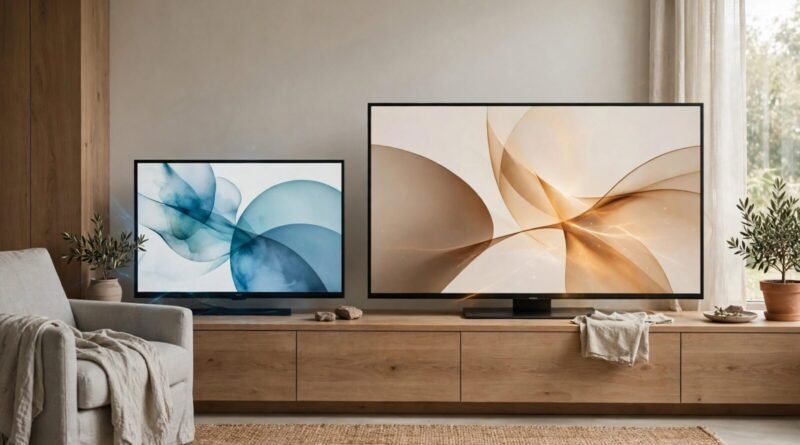
A larger television has more screen area to illuminate, so it is reasonable to expect size to affect electricity use. But “bigger always means much more expensive to run” is too simple. TVs of the same size can have different power consumption because of display technology, brightness, efficiency, picture mode and content. A larger efficient model can sometimes use a similar amount of energy to a smaller but less efficient or much brighter television.
Table of Contents
Screen area is only one variable
Increasing screen size generally increases the area that produces light, which can increase power demand. Yet manufacturers use different panels, backlights, processors and power-management systems. Comparing diagonal inches alone ignores those differences.
Energy labels and manufacturer specifications are therefore more useful than assuming a fixed watts-per-inch rule. In the United States, ENERGY STAR maintains criteria and product information for televisions, giving consumers a standardized way to compare qualifying models.
Brightness can change consumption
A television set to a very bright showroom mode may consume more power than the same model using a moderate home setting. Automatic brightness or ambient-light features can reduce output in darker rooms. High dynamic range content can also alter power behavior because parts of the image may be driven to higher brightness.
This means two households owning the same television can record different annual energy use depending on settings and viewing habits.
Hours watched matter as much as watts
Electricity consumption is power multiplied by time. A large television used two hours a day may consume less annual electricity than a smaller television used eight hours a day. Leaving a TV playing in an empty room can erase small efficiency gains achieved through careful model selection.
To estimate cost, convert the television’s power use into kilowatt-hours and multiply by your electricity rate. The U.S. Department of Energy provides a general method for estimating appliance energy consumption.
Standby power exists but is not the whole story
Modern televisions continue to draw some power while apparently off so they can respond to remotes, network functions or updates. Standby consumption varies. Networked quick-start features can affect it. For most households, active viewing remains important, but consumers interested in minimizing every source of use can review energy-saving and quick-start settings.
Unplugging a TV every night may be inconvenient and can interfere with expected functions. A better first step is to check the manufacturer’s settings and measured consumption.
Picture quality and efficiency involve trade-offs
Reducing brightness can lower energy use, but the goal is not to make the picture unwatchable. Choose settings appropriate for the room. A television in a dark room generally does not need the extreme brightness used to stand out under retail lighting.
Some energy-saving modes alter brightness automatically. Test whether the result is comfortable before disabling them solely because the image looks different from a vivid showroom preset.
How to compare before buying
Look at estimated annual energy consumption where a standardized label is available. Compare models of the size you actually want rather than buying an undersized TV purely from fear of electricity cost. Then calculate the expected annual cost using your local electricity price and realistic viewing hours.
Purchase price will usually be much larger than one year’s electricity cost, but over a long ownership period efficiency can still matter. The exact economics depend on local rates and usage.
Earnyx takeaway
Bigger TVs often use more electricity, but screen size does not determine consumption by itself. Display technology, brightness, picture mode, efficiency, standby behavior and viewing time all contribute.
If energy cost matters, compare actual energy information for the specific models on your shortlist. A measured or standardized consumption figure is more useful than assuming every increase in screen size produces a proportional jump in the electric bill. Find more household fact checks in Earnyx Everyday Myths.
Sources
ENERGY STAR — Televisions; U.S. Department of Energy — estimating appliance energy use.