
Level 2 Home EV Charging: When Faster Charging Is Worth the Installation Cost
Table of Contents
01 Event
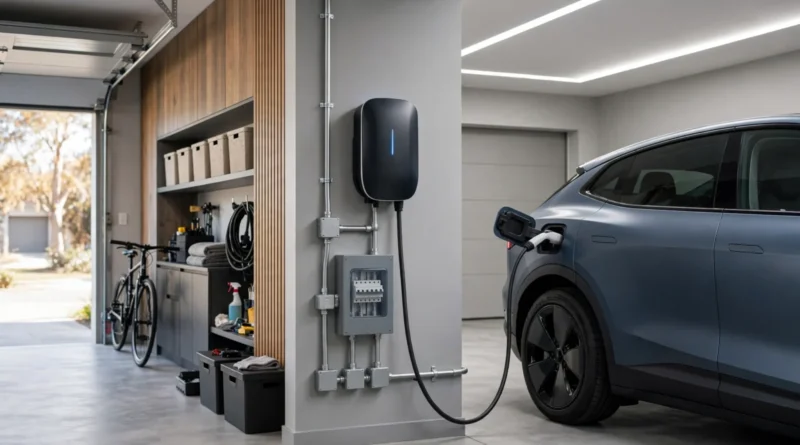
Level 2 charging is the most common dedicated home-charging setup for electric vehicles. It uses higher voltage and power than a standard household outlet, allowing the car to recover substantially more energy while parked. The advantage is clear, but so is the trade-off: equipment and installation can cost significantly more than simply plugging into an existing outlet.
02 What Changed?
As EV battery sizes and daily driving ranges increased, Level 2 charging became the default recommendation for many households. Modern chargers can also include scheduling, energy monitoring and integration with time-of-use electricity rates. At the same time, not every home needs maximum charging power, and some installations require panel upgrades or long cable runs that materially increase cost.
The decision is therefore not whether Level 2 is technically better. It is whether the extra speed solves a real charging need.
03 Why It Matters
Fast overnight charging can make EV ownership much easier for drivers with long commutes, irregular schedules or multiple consecutive high-mileage days. A Level 2 setup can often restore a large portion of the battery during a normal overnight parking window.
But installing more charging capacity than you use can be poor value. A household driving 20 miles per day may never need the full capability of a high-power charger.
04 What It Means for You
Start with daily energy use, not charger marketing. Estimate how many kilowatt-hours your EV typically consumes between home charging sessions. Then determine how much power is needed to replace that energy during the hours the vehicle is parked.
Ask an electrician to evaluate the existing panel, circuit capacity, cable route and local code requirements. A straightforward installation near the panel can be relatively inexpensive, while a detached garage or overloaded electrical service can raise the cost substantially.
Also consider future use. If a second EV is likely, smart load sharing or a higher-capacity circuit may be worth planning for now.
05 Numbers + Context
Suppose an EV uses 30 kWh per 100 miles and the household drives 60 miles per day. That is about 18 kWh of driving energy. A Level 2 charger delivering 7.2 kW could theoretically replace that energy in roughly 2.5 hours before charging losses. Even a lower-power setup could easily recover it overnight.
If installation costs $1,200 and the household keeps the charger for eight years, the hardware and installation average $150 per year before electricity. Whether that is worthwhile depends on how much convenience and public-charging avoidance the charger creates.
Actual charging power depends on the vehicle’s onboard charger, circuit rating and equipment. Manufacturer specifications and qualified electrical advice should guide the final setup.
A useful approach is to compare the installed Level 2 cost with the alternative you would otherwise use. If slower home charging would force frequent paid public charging, the installation may recover part of its cost through lower energy prices and saved time. If Level 1 already covers your daily use, the financial case may be weaker.
06 Earnyx Takeaway
Level 2 charging is valuable when it reliably restores the energy you use without forcing you to think about charging every day. It is especially useful for high-mileage households and drivers who want the car ready each morning. But bigger is not automatically better. Size the charger around real energy use, installation cost and future needs. The best Level 2 setup is the one that solves your charging problem without paying for capacity you will never use.