
Roman Cave in Spain Reveals 120+ Latin Inscriptions and a Mysterious ‘Lady’
Table of Contents
01 Event
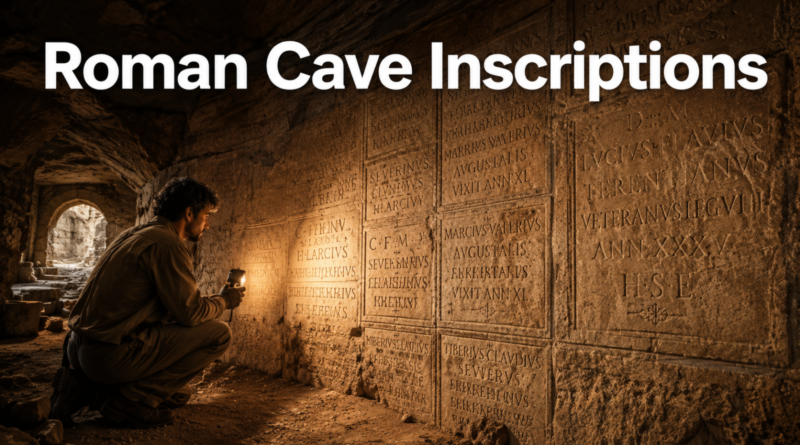
Archaeologists studying Cova de les Dones near Valencia, Spain, have documented more than 120 Latin inscriptions inside the cave, making it one of the richest known concentrations of Roman-era cave inscriptions. Several inscriptions appear to reference a mysterious female figure described simply as “the Lady.” Source: Live Science.
02 What Changed?
The cave was already known for prehistoric activity, but the scale of its Roman use is becoming much clearer. Inscriptions dating mainly to the first and second centuries A.D., together with ceramics, jewelry and other objects, suggest the site functioned as a sanctuary rather than an ordinary shelter.
03 Why It Matters
Ancient inscriptions can preserve names, dedications and religious practices that are otherwise missing from written history. The repeated references to a female figure may point to a local cult or deity that has not yet been clearly identified.
04 What It Means for You
This is a good example of archaeology changing history in small but meaningful steps. A cave that people have known about for years can still hold evidence that changes what researchers understand about religion, community life and women’s roles in the Roman world.
05 Numbers + Context
Researchers have recorded more than 120 Latin inscriptions. At least five appear to mention the mysterious “Lady,” while the cave also contains evidence of human activity going back tens of thousands of years. Analysis and translation of the inscriptions are still continuing.
06 Earnyx Takeaway
The most interesting part is what remains unknown. Archaeologists have enough evidence to show this cave mattered deeply to Roman visitors, but not yet enough to say exactly who “the Lady” was. That makes this discovery less like a solved puzzle and more like a newly opened chapter.