
The Hidden Cost of a Cheap Vacation: Where Trip Budgets Usually Leak
Table of Contents
01 Event
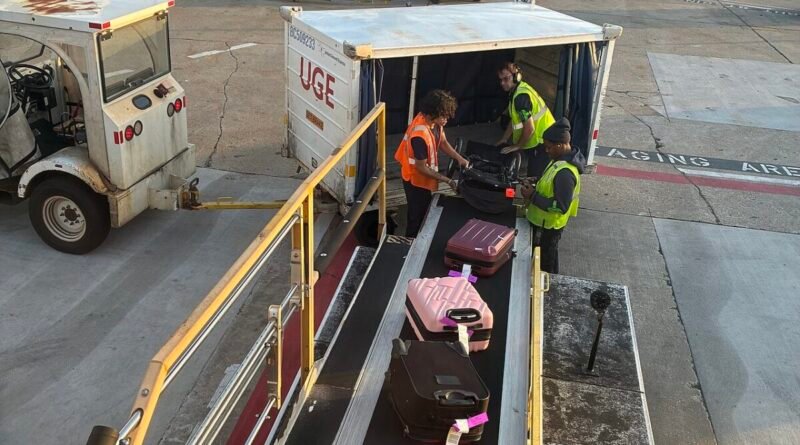
A low airfare or discounted hotel can make a trip look affordable before the real spending starts. The budget often grows through small add-ons: airport transport, baggage, seat selection, local transit, resort charges, roaming, food, tips and currency conversion.
02 What Changed?
More travel products are sold in pieces rather than as one all-in price. That gives travelers more choice, but it also means the first number you see may represent only part of the trip. Hotel and short-term lodging pricing is now more transparent in the U.S. because the FTC requires covered businesses advertising prices to show mandatory fees upfront, but many optional trip costs still depend on your choices.
03 Why It Matters
Budget leakage matters because ten small extras can erase the savings from a good deal. A traveler who saves $120 on airfare but spends $60 on bags, $40 on seats and $50 on airport transfers has already spent more than the original saving.
04 What It Means for You
Build a trip budget in layers: transportation to the destination, lodging, local movement, food, connectivity, activities and a contingency amount. Compare bookings using the final amount you are likely to pay, not just the advertised fare or nightly rate.
05 Numbers + Context
The FTC’s fee rule requires mandatory fees for short-term lodging to be included in the displayed total price, with limited exceptions such as government charges. Source: FTC Rule on Unfair or Deceptive Fees.
Illustrative budget: $500 airfare + $600 hotel may look like an $1,100 trip. Add $100 baggage, $120 airport transfers, $80 local transport, $50 connectivity and $150 in unplanned extras, and the same trip becomes $1,600 — about 45% higher.
06 Earnyx Takeaway
A cheap vacation is only cheap when the whole trip is cheap. Treat every booking price as one line in a total-cost worksheet. The best travel deal is the one that remains a deal after the predictable extras are added.