Is a Home Energy Audit Worth Paying For?
Table of Contents
01 Event
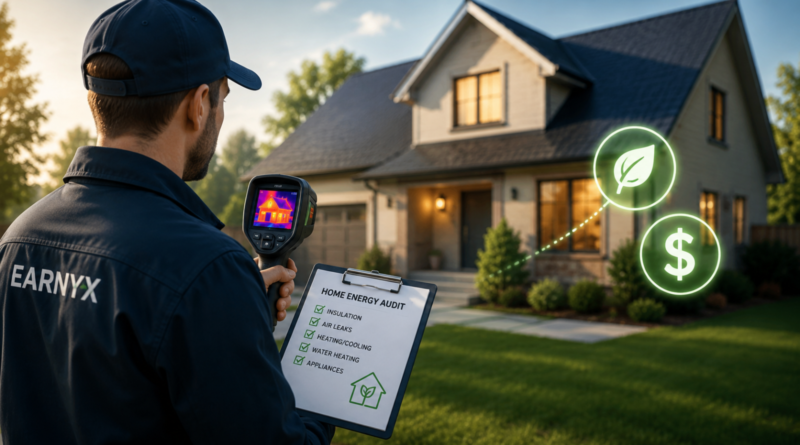
When energy bills feel high, the instinct is often to buy a more efficient appliance, smart thermostat or new windows. A home energy audit takes the opposite approach: diagnose where the house is wasting energy before deciding what to buy.
02 What Changed?
Modern audits can combine utility-bill review with insulation checks, air-leak testing, thermal imaging and HVAC inspection. That turns energy upgrades from guesswork into a prioritized list of problems.
03 Why It Matters
The expensive mistake is not paying for an audit; it is spending thousands on the wrong improvement. If an audit identifies a low-cost air leak or duct problem before a major replacement, the diagnostic cost can pay for itself quickly.
04 What It Means for You
Start with any free utility programs, rebates or online home-energy assessments available in your area. A paid professional audit makes more sense when bills are unusually high, the home is uncomfortable, you are planning major renovations, or you are deciding between several expensive efficiency upgrades.
05 Numbers + Context
The U.S. Department of Energy recommends looking at insulation, air sealing, ducts, HVAC systems, windows and water heating as major areas of home energy performance. Because heating and cooling commonly represent the largest share of household energy use, finding losses there can have an outsized effect. Source: U.S. Department of Energy, Energy Saver — https://www.energy.gov/energysaver/why-energy-efficiency-matters
06 Earnyx Takeaway
An audit is worth paying for when it prevents a bigger wrong purchase. Treat it like a diagnostic fee: if you already know the problem, skip it; if you are about to spend thousands without knowing where the waste is, information may be the cheapest upgrade on the list.