Ride-Hailing Surge Pricing: How Convenience Gets Expensive at Peak Times
Table of Contents
01 Event
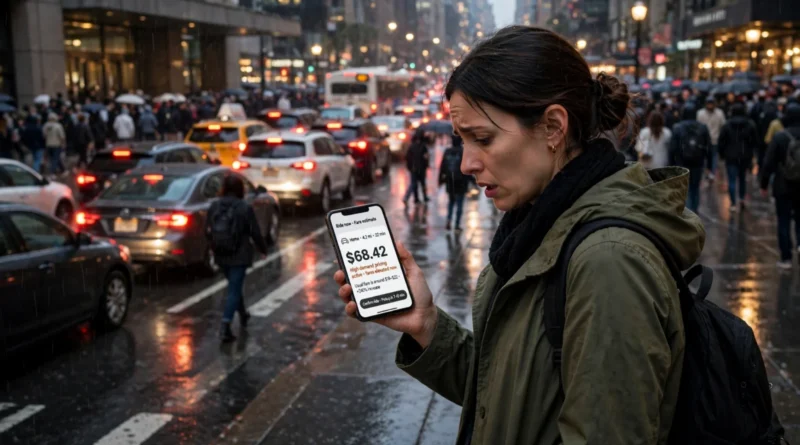
Ride-hailing apps use dynamic pricing in many markets, allowing fares to rise when rider demand is high relative to available drivers.
02 What Changed?
The same trip does not necessarily have one stable price. Weather, events, commuting peaks and sudden demand can change the quoted fare from one moment to another.
03 Why It Matters
Surge pricing creates a hidden budgeting problem for people who mentally assign a normal price to a familiar trip. The convenience is most expensive when alternatives may also be crowded or inconvenient.
04 What It Means for You
Check the full quoted fare before confirming every ride, even on routes you take frequently. If your timing is flexible, compare the fare again after a short wait. For predictable trips, compare public transport, taxis, scheduled rides or other available options. Never delay travel when doing so would create a safety risk.
05 Numbers + Context
If a route normally costs $18 but a peak-time quote is $31, the convenience premium for that particular trip is $13, or about 72% above the reference fare. Repeating that difference twice a week would add more than $100 over four weeks. Actual pricing varies by platform, market and conditions.
Reference: Review the ride-hailing provider’s current pricing disclosures and the fare shown before confirming; dynamic pricing terms vary by platform and location.
06 Earnyx Takeaway
Do not budget ride-hailing from the price you remember. Budget from the price actually quoted. Dynamic pricing turns timing into part of the cost, which means flexibility itself can have monetary value.