
Free Trial or Subscription Trap? What to Check Before You Click Start
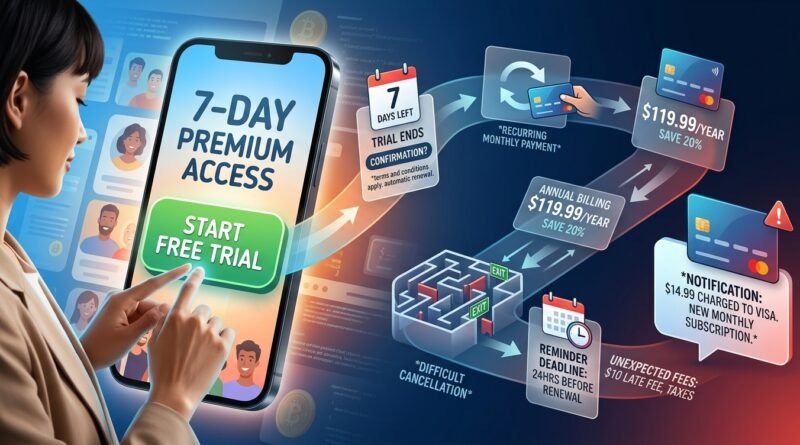
Free trials can reduce the risk of testing a new service, but they also make it easy to start paying without making a fresh purchase decision.
Table of Contents
01 Event
Many subscriptions use free-to-paid conversion: you enter payment details, receive a trial period, and are automatically charged unless you cancel before the deadline.
02 What Changed?
The important number is no longer the length of the free period. It is the amount, billing frequency, and commitment that begin when the trial ends. A seven-day trial that converts into a full annual charge creates a very different risk from one that rolls into a monthly plan.
03 Why It Matters
The FTC advises consumers to read the terms before signing up, know exactly how and when to cancel, and mark the cancellation deadline on their own calendar. It also warns that promotional rates can renew at a higher price later.
04 What It Means for You
Before clicking Start, check four things: the exact renewal amount, whether billing is monthly or annual, the cancellation method, and the final date to cancel without being charged. Set your own reminder several days early rather than depending on the company to notify you.
05 Numbers + Context
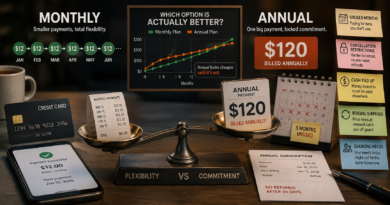
A trial that converts to $12 per month creates a $144 annual cost if kept for a year. A trial that converts directly to a $120 annual plan creates the full commitment at once. The free period may be identical, but the financial exposure is not.
Reference: FTC guidance on free trials and auto-renewals. Also see our annual-payment reality check.
06 Earnyx Takeaway
A free trial is useful when it helps you evaluate something you were genuinely considering. It becomes expensive when the trial itself is the reason you signed up and the renewal terms fade into the background. Treat the post-trial charge as the real purchase decision, because that is what ultimately determines whether the offer was worth it.

Pingback: How Online Stores Make You Spend More Than You Planned - Earnyx